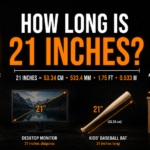
You’ve probably seen “21 inches” written somewhere on a suitcase listing, a monitor spec sheet, or a furniture description and paused for a second, unsure of what that actually looks like in real life. Numbers by themselves rarely translate into a mental picture, especially when there’s no ruler around to check against.
The good news is that 21 inches is a measurement you already encounter more often than you realize. Once you connect it to a handful of familiar, everyday objects, you’ll never have to guess again. This guide walks through exactly what 21 inches means, how big it really is, and gives you more than a dozen real-world comparisons to lock the size into memory.
How Long Is 21 Inches? (Quick Answer)
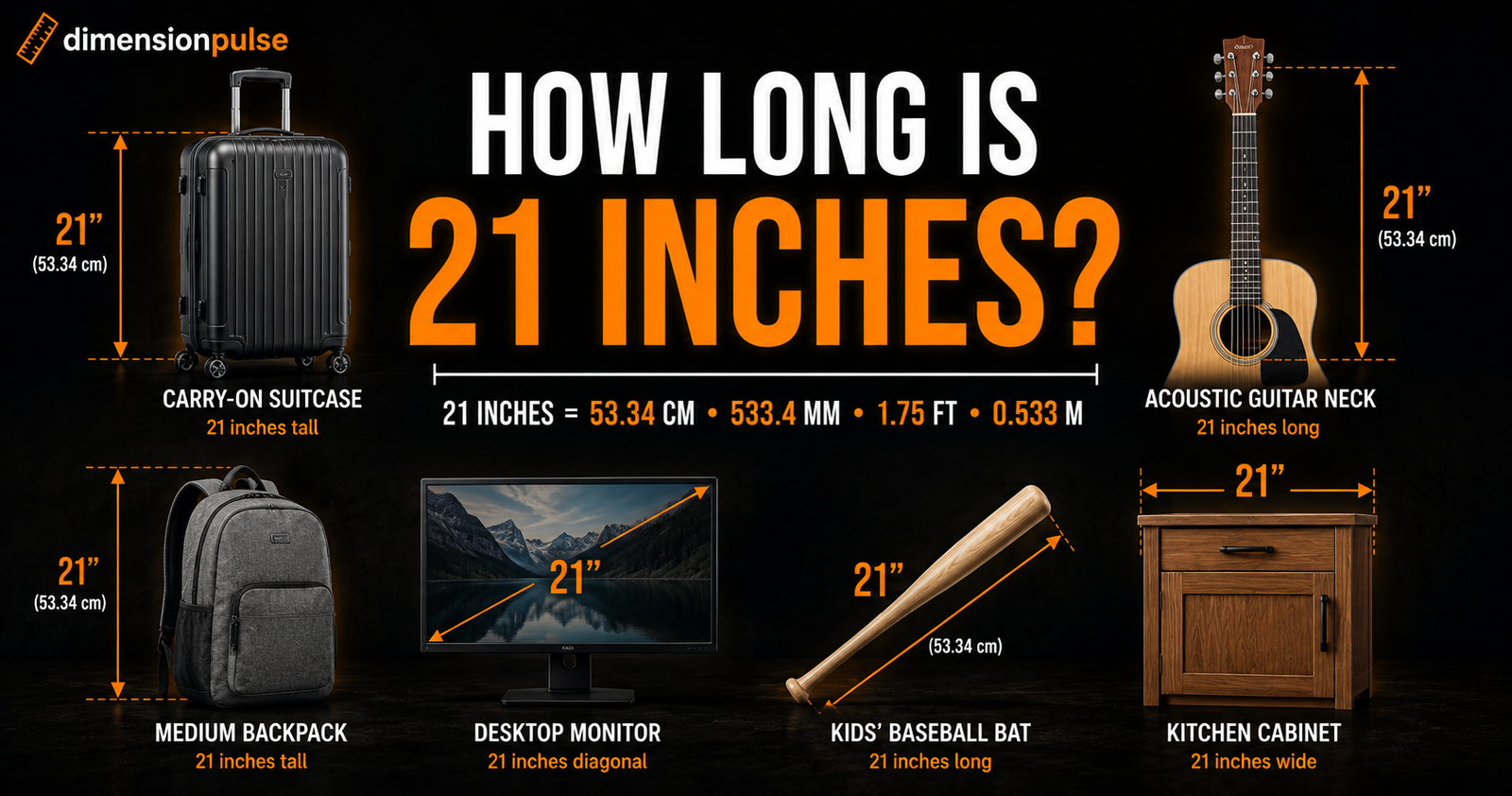
21 inches equals 53.34 centimeters, 533.4 millimeters, or 1.75 feet.
Put another way, 21 inches is 1 foot and 9 inches just 3 inches shy of a full 2 feet. It’s a length that shows up constantly in luggage, furniture, electronics, and sporting goods because it sits in that practical sweet spot: substantial enough to be genuinely useful, but compact enough to still be portable or fit into tight spaces.
| Unit | Converted Value |
| Feet | 1.75 ft |
| Centimeters | 53.34 cm |
| Millimeters | 533.4 mm |
| Meters | 0.533 m |
| Yards | 0.583 yd |
How Big Is 21 Inches? Easy Explanation
To really grasp 21 inches, it helps to anchor it against a unit you already understand intuitively the foot. Since 12 inches make up a foot, 21 inches works out to 1 foot plus 9 extra inches. That’s almost, but not quite, two full feet.
This puts 21 inches solidly in the “medium-to-large” category when it comes to everyday objects. It’s noticeably longer than a standard classroom ruler, yet it doesn’t approach the scale of something like a yardstick. That in-between size is exactly why manufacturers rely on it so often for luggage that needs to clear airline size limits, for backpacks that need to carry a full day’s gear without becoming unwieldy, and for furniture pieces that need to fit into smaller rooms without looking cramped.
Another way to think about it: if you’ve ever seen a carry-on suitcase standing upright next to someone’s leg, you’ve already seen 21 inches in action, even if you didn’t clock the exact number at the time.
What Does 21 Inches Look Like?
Picture a two-liter bottle standing on a table, and then imagine stacking roughly two of those on top of each other, that combined height lands you right around 21 inches. Or think of a standard skateboard deck: most skateboard decks run close to that same length from nose to tail, giving you a flat, easy-to-visualize reference.
If you’re someone who spends more time indoors, picture the distance from the floor to just above your knee while standing. For most adults, that’s a fairly close match to 21 inches, which is part of why suitcases and backpacks built to this height feel so natural to carry they land at a spot on the body where the weight is easy to manage.
The core idea is this: 21 inches isn’t small enough to fit in your palm, and it isn’t large enough to require two hands and a truck. It occupies that in-between zone that makes it genuinely versatile across dozens of unrelated product categories.
Ways to Measure 21 Inches Without a Ruler
Not every situation comes with a tape measure handy. Fortunately, there are a few reliable body-based and object-based tricks that get you remarkably close to 21 inches without any tools at all.
Using your hand span: Most adult hands, measured from the wrist to the tip of the middle finger, run close to 7 inches. Laying your hand down three times in a row gets you to roughly 21 inches a quick and surprisingly accurate method when you’re standing in a store aisle with no ruler in sight.
Using finger widths: For many adults, the width of a single finger is close to 1 inch. While it’s slower than the hand-span method, lining up 21 finger-widths can work in a pinch, especially for smaller or more precise measurements.
Using paired objects: Two standard 12-inch rulers placed end to end give you 24 inches — just trim about 3 inches off mentally, and you’ve got 21 inches. Similarly, three standard pencils lined up tip to tip get you into the same ballpark.
Using common household items: A carry-on suitcase, a medium backpack, or even a desktop monitor’s diagonal screen size are all quick visual stand-ins once you’ve committed the size to memory. This is often faster than any hand-based trick, since you’re comparing against something you already own.
Quick Table of 21-Inch Examples
| Item | Approximate Size |
| Carry-on suitcase | 21 inches tall |
| Acoustic guitar neck | 21 inches long |
| Medium backpack | 21 inches tall |
| Desktop monitor | 21 inches diagonal |
| Kids’ baseball bat | 21 inches long |
| Kitchen cabinet | 21 inches wide |
| Floor lamp shade | 21 inches tall |
Things That Are 21 Inches Long (Real-Life Examples)
1. Carry-On Suitcase

A carry-on suitcase is, hands down, one of the most reliable real-world references for 21 inches. Airlines set overhead-bin restrictions with this exact height in mind, which is why so many carry-on bags on the market are built to land right around this measurement. When you stand one upright, it typically reaches just above knee height on most adults giving you an instant, physical sense of the size without needing to think about it.
This size isn’t arbitrary. It balances two competing needs: enough internal space to pack for a short trip, and a small enough footprint to move quickly through crowded airports and fit into a compartment without a struggle. If you’ve ever wheeled a bag through security, you’ve already got a strong mental image of 21 inches, whether you realized it or not.
Because so many travelers interact with this size regularly, it tends to be the go-to comparison whenever someone is trying to picture 21 inches for the first time everything else in this list is easier to understand once you’ve anchored it against a suitcase.
2. Acoustic Guitar Neck
The neck of a typical acoustic guitar measured from where it joins the body up to the headstock where the tuning pegs sit commonly comes in close to 21 inches. It’s a slim, elongated shape, which makes it a slightly different kind of visual reference compared to something boxy like a suitcase, but it’s just as effective once you picture it.
Guitars are common enough household and stage items that most people have a rough sense of their proportions even without playing the instrument. The neck’s length is designed deliberately: long enough to give a player’s hand room to move freely up and down the fretboard, but not so long that reaching the higher frets becomes awkward.
If you’ve ever seen a guitar resting against a wall, leaning in a stand, or slung over someone’s shoulder, the neck length gives you a fairly precise, ready-made image of what 21 inches looks like stretched out in a single, unbroken line.
3. Medium Backpack
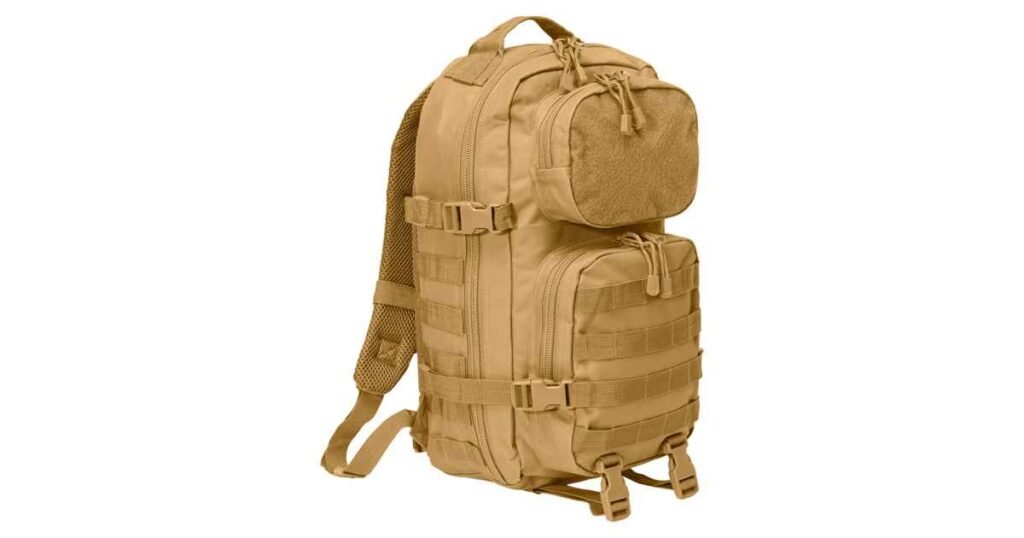
A medium-sized backpac the kind used for school, day hikes, or short travel is often around 21 inches from its base to the top of the main compartment. This size is popular precisely because it hits a functional middle ground: roomy enough for books, a laptop, a change of clothes, and daily essentials, but still comfortable enough to wear for hours without straining your shoulders.
Picture one standing upright against a wall or a chair. For most adults, it reaches somewhere around mid-thigh a proportion that makes it easy to gauge at a glance, even from across a room.
Because backpacks are something nearly everyone owns and interacts with daily, this comparison tends to be one of the more intuitive ones on this list. If you want a fast mental checkpoint for 21 inches, your own backpack, or one sitting nearby, is often the quickest way to get there.
4. Desktop Computer Monitor
Smaller desktop monitors the kind you’d find on a budget office setup or as a secondary display frequently measure around 21 inches when you take the diagonal corner-to-corner distance across the screen. That’s an important distinction: monitor sizing is always based on the diagonal, not the width or height, so a “21-inch monitor” looks different in shape than a 21-inch-long object like a backpack or suitcase.
This size tends to offer a comfortable balance for everyday computer use enough screen real estate to work with two windows side by side, without eating up an entire desk. It’s a size range that’s remained popular for years precisely because it works well in smaller apartments, dorm rooms, and shared office spaces where desk space is limited.
If you’re shopping for electronics online, product photos alone rarely convey true scale. Knowing that “21 inches diagonal” lands you at roughly this familiar monitor size can save you from ordering something that turns out far smaller or larger than expected once it arrives.
5. Kids’ Baseball Bat
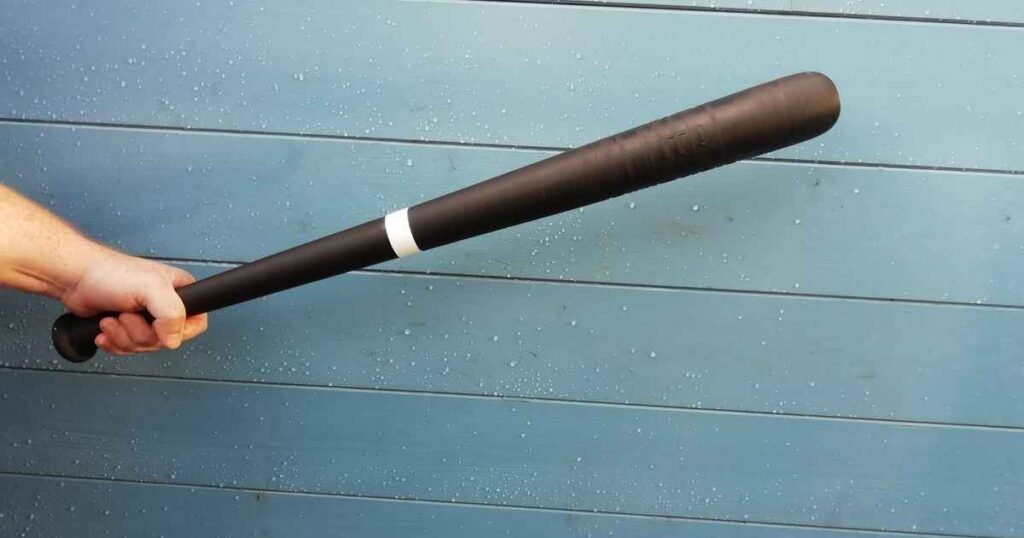
Baseball bats designed for younger players are frequently built close to 21 inches in total length. This shorter sizing isn’t accidental it’s calibrated specifically to a child’s height, arm length, and swing mechanics, making it easier for beginners to control the bat and build proper form before moving up to longer, adult-sized models.
If you want a physical reference point, imagine holding a bat that reaches from your fingertips down to roughly waist height. That’s a close approximation of what a 21-inch bat feels like in the hands of a young player compact, but still substantial enough for genuine practice swings.
Sporting goods in general tend to be excellent size references because manufacturers engineer them around very specific, tested measurements. A 21-inch kids’ bat isn’t a rough estimate; it’s a deliberately chosen length meant to match a particular age and skill range, which makes it a dependable comparison point.
6. Kitchen Cabinet Width
A large share of standard kitchen base cabinets are built with door widths close to 21 inches. This width shows up so often in kitchen design because it strikes a practical balance wide enough to store dishes, pots, and pantry items comfortably, yet narrow enough to allow multiple cabinets to line a wall without overwhelming the space.
If you’re standing in almost any modern kitchen, there’s a good chance at least one cabinet door in front of you is close to this exact width. That makes it one of the more accessible, no-effort comparisons on this list you likely don’t even need to leave your house to see it in person.
For anyone planning a kitchen renovation, buying replacement cabinet fronts, or simply trying to organize existing storage more efficiently, knowing that “21 inches” corresponds to a standard cabinet width can make shopping and measuring far less confusing.
7. Floor Lamp Shade
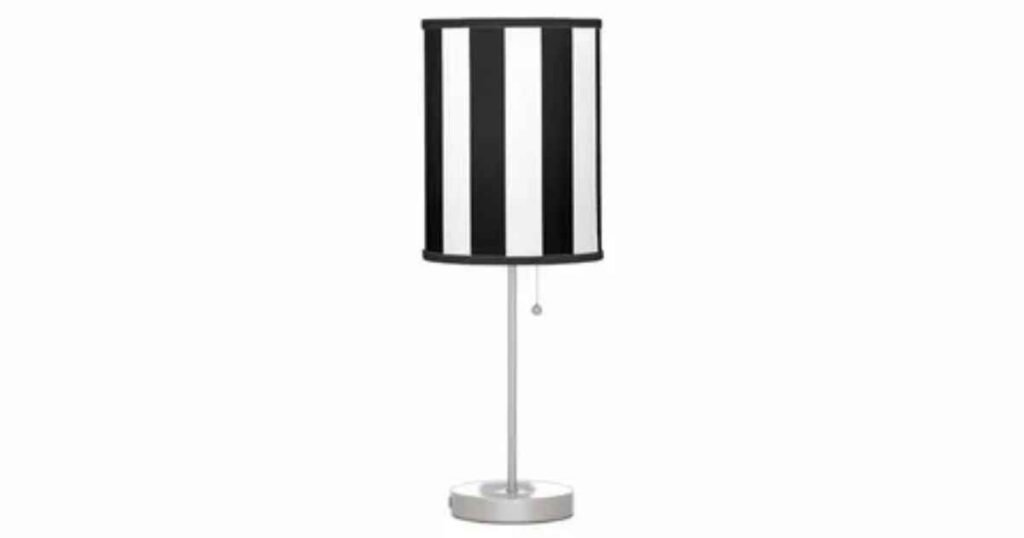
Many floor lamp shades the fabric or glass covering that diffuses the bulb’s light measure close to 21 inches in height. This size tends to create a balanced, proportional look next to standard living-room furniture like sofas and armchairs, which is exactly why interior designers gravitate toward it so consistently.
Picture a lamp shade standing beside a couch: at 21 inches, it typically reaches somewhere around the midpoint of the backrest, giving the room a sense of visual harmony rather than looking either too squat or too towering. Go smaller, and the lamp can look undersized next to the furniture; go much larger, and it risks overwhelming the space.
Lighting is one of those categories where scale genuinely matters for how a room feels, which makes the lamp shade a particularly useful comparison if you’re someone who thinks in terms of home decor and interior proportions rather than travel gear or electronics.
8. Baby Crib Rail
The side rail height on many baby cribs measures close to 21 inches. This isn’t a random design choice it’s calibrated to strike a balance between two safety priorities: keeping the rail tall enough that an infant or toddler can’t climb or fall out, while still low enough that a parent can comfortably lift a child in and out without straining their back.
If you picture the rail reaching to somewhere just above knee height on an average adult, you’ve got a fairly accurate sense of the scale. It’s a measurement that shows up in nursery furniture guides constantly, since crib safety standards are among the most tightly regulated in the furniture industry.
For parents shopping for nursery furniture or arranging a room layout, knowing that “21 inches” lines up with a typical crib rail height can make it much easier to picture how a piece will look and function before it’s even in the room.
9. Dog Crate Width
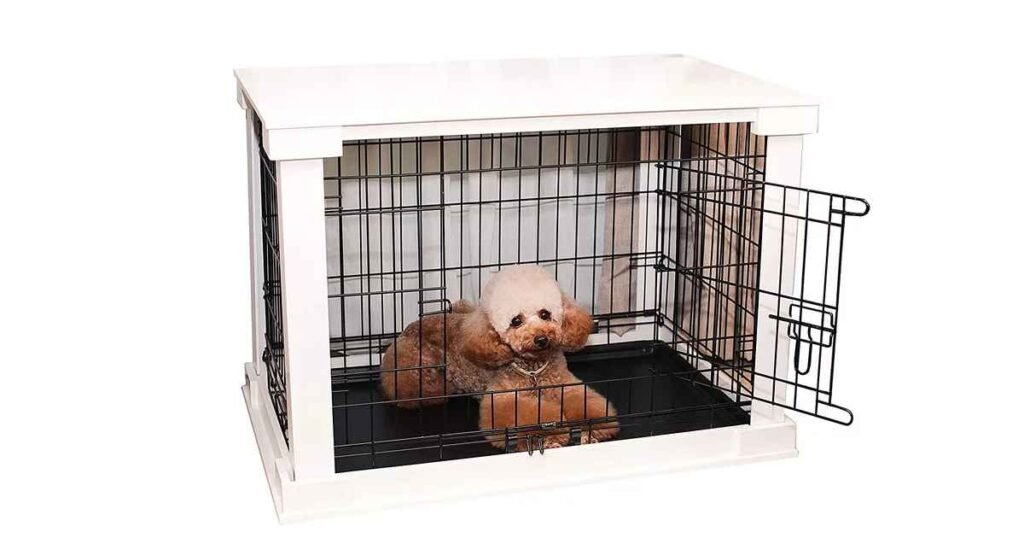
Crates built for medium-sized dog breeds commonly measure close to 21 inches in width. This gives a dog enough room to turn around, stretch out, and settle comfortably, without the crate becoming so large that it dominates a hallway or living room corner.
If you’re trying to picture this in person, imagine a crate placed beside a sofa or against a wall at 21 inches wide, it’s noticeable and substantial, but still compact enough to tuck into most rooms without major rearranging.
Because crate sizing is directly tied to a dog’s breed and size, this measurement is one that pet owners often become very familiar with while shopping. Ordering the wrong width either leaves a dog cramped or gives them too much open space, which is why manufacturers standardize around dependable numbers like this one.
10. Ottoman Bench
Small ottoman benches the kind placed at the foot of a bed, near an entryway, or beside a coffee table frequently measure close to 21 inches in length. This size is popular in apartments and smaller homes specifically because it offers a functional seat or storage surface without eating up much floor space.
Picture one placed at the end of a bed: at 21 inches, it’s wide enough for one person to sit down comfortably, yet compact enough to leave the rest of the room open. This is part of why the size has become something of a default for entryway and bedroom benches across a wide range of furniture brands.
If you’re furnishing a smaller space and trying to visualize whether a bench will fit, the 21-inch reference point offers a fairly reliable baseline before you ever pull out a tape measure.
11. Bicycle Wheel Diameter
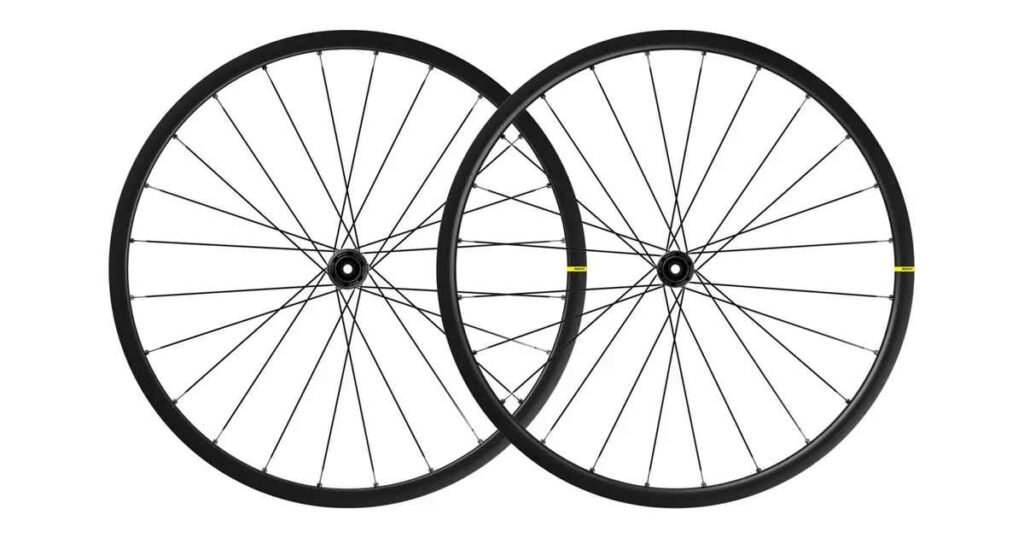
Certain bicycle wheels particularly on some children’s bikes and select compact or folding bicycle models measure close to 21 inches in diameter. This sits in an interesting middle zone: larger than the wheels found on younger kids’ bikes, but smaller than the standard wheel sizes used on most adult bicycles.
If you picture a wheel standing upright next to a kitchen chair, a 21-inch diameter would reach to roughly the height of the seat large enough to roll smoothly and maintain stability, but still sized appropriately for a smaller rider.
Because wheel size directly affects handling, comfort, and how a bike fits a rider’s height, this measurement matters more than it might seem at first. It’s a useful comparison for parents or smaller-framed riders trying to choose the right bike size.
12. Standard Pillow Length
Certain pillow sizes particularly smaller or travel-style pillows measure close to 21 inches in length. This is shorter than a standard bed pillow, which typically runs closer to 26 inches, making the 21-inch size a common choice for children’s beds, decorative accent pillows, or compact travel setups.
Picture one placed across a sofa cushion or propped against a headboard at 21 inches, it reads as noticeably shorter and more compact than a typical sleeping pillow, while still being large enough to offer real support.
Because pillows are something almost everyone interacts with daily, this comparison tends to be one of the more intuitive ones for people who don’t immediately think in terms of luggage or electronics.
13. Office Desk Drawer Depth
Many office desk drawers particularly the deeper file or storage drawers built into desks and filing cabinets measure close to 21 inches from front to back. This depth is intentional: it’s enough to hold hanging file folders, binders, or larger office supplies without the drawer becoming so deep that items get lost or forgotten at the back.
If you’ve ever pulled a desk drawer all the way open, you’ve likely seen this measurement in action without registering the exact number. It’s one of those sizes that becomes obvious the moment you’re pointed toward it, since desks and filing furniture are common in almost every home office or workplace.
For anyone shopping for office furniture or trying to figure out whether a filing cabinet will accommodate their existing folders, the 21-inch depth reference is a genuinely practical one to keep in mind.
14. Yoga Mat Width (Folded)
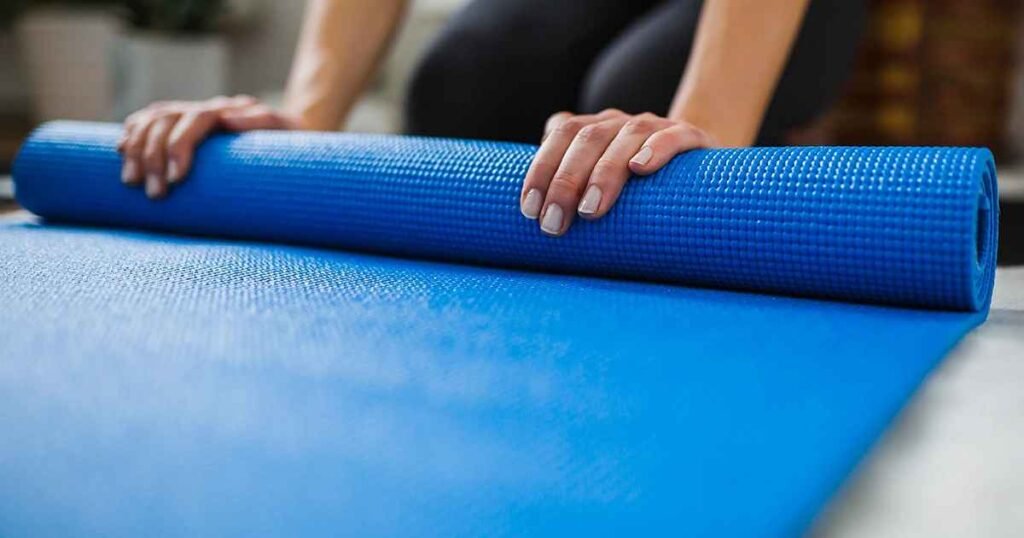
A standard yoga mat, when folded in half or in quarters depending on its original length, often results in a section close to 21 inches. This makes it a surprisingly handy household reference for anyone who practices yoga or exercises at home, since the mat is already sitting there, ready to be used as an impromptu measuring tool.
Picture a mat folded once lengthwise and laid across a floor the resulting width or length, depending on the fold, frequently lands close to this measurement. It’s not as precise as a tape measure, but it’s a reliable enough estimate for everyday purposes.
This comparison works particularly well for people who spend more time at home than traveling or shopping for furniture, since it draws on an object many households already own.
15. Microwave Oven Depth
Most countertop microwaves have a front-to-back depth close to 21 inches. This is a deliberate design choice, since it allows the appliance to sit flush, or nearly flush, against a kitchen wall while still leaving the door clearance needed to open and close comfortably.
If you’re standing in front of a typical microwave right now, you’re looking at roughly this measurement without realizing it. It’s one of the more universally accessible comparisons on this list, since countertop microwaves are common in nearly every kitchen, regardless of home size.
For anyone remodeling a kitchen or trying to figure out how much counter space an appliance will take up, knowing that “21 inches” corresponds to a standard microwave depth removes a lot of the guesswork before a purchase.
16. Hair Length: 21 Inches

When it comes to hair, 21 inches represents a substantial length typically extending well past the shoulders and reaching toward the mid-back for most people, depending on height and where the hair is measured from. It’s a length frequently associated with hair extensions, since it offers a dramatic, noticeably long look without going to the most extreme lengths available.
Picture hair falling from the crown of the head down past the shoulder blades that’s roughly the visual you’re working with at 21 inches. It’s long enough to require real maintenance and care, but still manageable for daily styling compared to even longer lengths.
This comparison is especially useful for anyone shopping for extensions or simply trying to understand hairstylist terminology, where lengths are almost always discussed in inches rather than more intuitive units.
17. A Bike Frame
Certain bike frames, particularly smaller adult frames or frames designed for shorter riders, measure close to 21 inches when sized along the seat tube the vertical tube that runs from the pedals up to the seat. Frame sizing directly affects how comfortable and efficient a bike feels to ride, which is why manufacturers are precise about these measurements.
If you picture the vertical section of a bike frame running from the pedal crank up to where the seat post begins, a 21-inch measurement along that line would put it toward the smaller end of the adult frame range still substantial, but built for a more compact rider.
For anyone shopping for a bike, especially online where it’s easy to misjudge frame size from photos alone, understanding that “21 inches” corresponds to this particular frame dimension can prevent a costly sizing mistake.
Converting 21 Inches to Other Units
Beyond feet and centimeters, 21 inches converts cleanly across the full range of length units, which comes in handy whether you’re working on a project that uses metric measurements, comparing international product listings, or just satisfying curiosity.
Conversion Table
| Unit | Value |
| Nanometers | 533,400,000 nm |
| Micrometers | 533,400 µm |
| Millimeters | 533.4 mm |
| Centimeters | 53.34 cm |
| Meters | 0.533 m |
| Kilometers | 0.000533 km |
| Feet | 1.75 ft |
| Yards | 0.583 yd |
| Miles | 0.000331 mi |
Why 21 Inches Is a Common Measurement
There’s a reason this exact length keeps showing up across such unrelated product categories travel gear, furniture, electronics, and sporting goods all lean on it independently. The answer comes down to proportion. 21 inches sits in a range that works well against average human body dimensions: long enough to be genuinely functional as a piece of luggage, a backpack, or a furniture item, yet short enough to remain portable, liftable, and easy to fit into standard spaces like airline overhead bins, kitchen counters, or smaller apartments.
Manufacturers also tend to standardize around numbers that solve a specific constraint. Airlines cap carry-on dimensions, which nudges suitcase makers toward this height. Kitchen layouts follow standardized cabinet modules, which nudges cabinet width toward this size. In nearly every case, 21 inches isn’t chosen arbitrarily it’s the practical answer to a real design or regulatory limit.
21 Inches vs Similar Measurements
Context makes a measurement easier to remember, and comparing 21 inches to its close neighbors is one of the fastest ways to build that context.
20 inches is just an inch shorter, and the difference is barely noticeable to the eye most of the same object comparisons (backpacks, suitcases, monitors) apply almost interchangeably at this size.
22 inches is an inch longer, and this is actually the more common carry-on suitcase height used by several international airlines, making it a close cousin to 21 inches in the luggage world specifically.
24 inches (2 feet) is the nearest “round number” reference point, and it’s worth remembering that 21 inches falls just 3 inches short of a full two feet a useful mental shortcut when you don’t want to think in fractions of a foot.
18 inches is noticeably shorter, roughly three-quarters of the length of 21 inches, and tends to apply to smaller version of the same object categories, think a smaller backpack or a narrower cabinet.
Keeping these nearby measurements in mind helps prevent the common mistake of confusing very similar-sounding sizes when shopping or measuring.
Conclusion
Once a measurement like 21 inches gets connected to objects you already see and use a carry-on suitcase, a backpack, a kitchen cabinet, a lamp shade it stops being an abstract number and becomes something you can picture instantly. Whether you’re shopping online, furnishing a room, or just satisfying curiosity about a size you came across, these real-world comparisons should make 21 inches a measurement you can estimate confidently, with or without a tape measure in hand.

Ryan Carter is the founder of DimensionPulse, creating reliable guides on measurements, dimensions, unit conversions, and size comparisons. He helps readers understand everyday measurements through clear explanations, practical insights, and real-world examples.