Have you ever come across a measurement like 7mm and struggled to picture how big it actually is? You’re not alone. Millimeters are one of those units that sound easy on paper but are genuinely hard to visualize until you place them next to something you already know from daily life.
That’s exactly what this guide is for. Instead of just giving you a number, it walks through nine common, everyday objects from a pencil eraser to a jewelry bead that all sit right around 7mm in size. By the end, you’ll have a mental “ruler” you can rely on anytime you need a quick size check without reaching for an actual tape measure.
How Big Is 7mm? (Quick Answer)
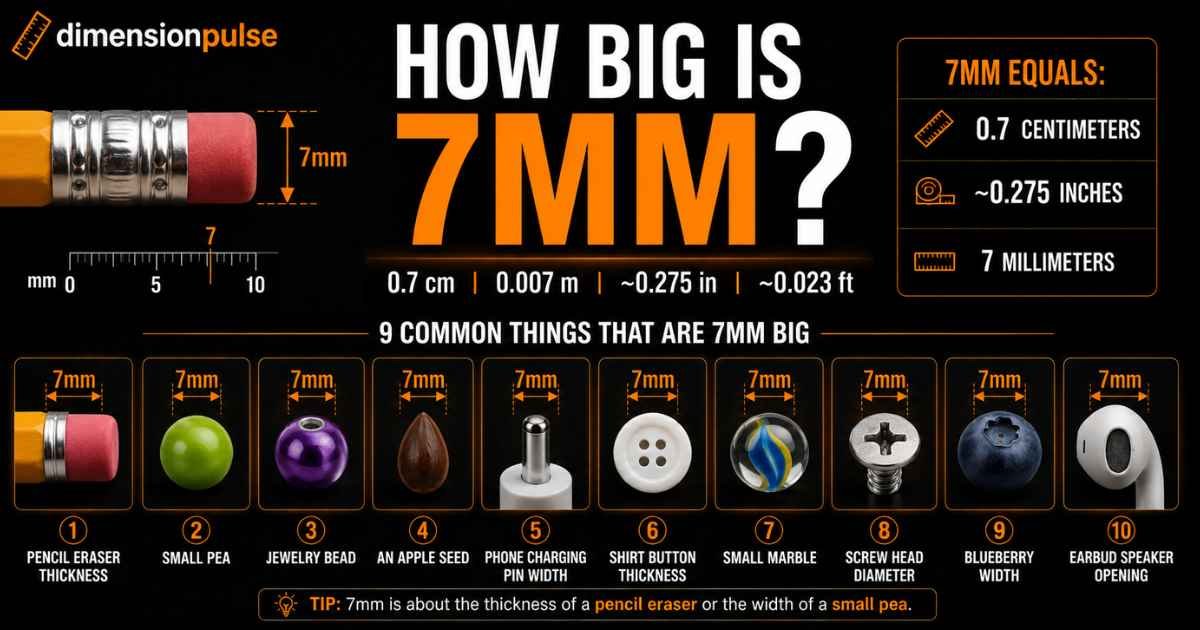
If you’re short on time, here’s the simple version: 7mm is a very small size, close to a quarter of an inch. It’s easy to miss on a ruler if you’re not looking carefully, but once you compare it to something familiar, it becomes easy to picture.
In numbers, 7mm equals:
- 0.7 centimeters
- About 0.275 inches
- 7 millimeters
That’s roughly the width of a small pea or a jewelry bead small, but not so tiny that you need a magnifying glass to see it. It sits in a strange middle zone: too small to measure comfortably with a regular ruler’s larger markings, yet too big to ignore or confuse with something microscopic. This is exactly why so many people search for real-life comparisons instead of just reading the number on its own.
Understanding 7mm becomes useful in more situations than you’d expect. Whether you’re buying jewelry online, picking the right drill bit for a home repair, choosing screws for furniture assembly, or simply trying to describe an object’s size to someone else, knowing what 7mm actually looks like saves you from guesswork and mismatched orders.
7 MM Conversion Chart
| Unit | Value |
| Centimeters | 0.7 cm |
| Meters | 0.007 m |
| Inches | ~0.275 in |
| Feet | ~0.023 ft |
Ways to Measure 7mm Without a Ruler
Not everyone keeps a ruler in their pocket, and pulling one out for every small object isn’t always practical. Luckily, there are a few easy tricks that let you guess 7mm fairly accurately using things you already have with you.
Using Your Fingers
Look at your little fingernail for most adults, its thickness is close to 7mm. This makes it one of the fastest ways to estimate the size, since your hand is always with you no matter where you are. It won’t be perfectly exact for everyone, since finger sizes vary from person to person, but it’s accurate enough for quick, everyday guesses like checking if a bead or screw looks about the right size before you buy a proper tool to confirm it.
Using Coins
Stack a couple of thin coins on top of each other and look at the height of that small pile. In many cases, two or three coins stacked together will land close to 7mm, giving you a simple physical reference you can recreate almost anywhere, since coins are something most people carry or can easily find.
Using Everyday Items
Small beads, dried peas, and tiny electronic pins are almost always somewhere near 7mm. Keeping an eye on objects like these trains your brain to spot the size without needing to measure it every single time. Over time, this kind of visual practice makes it much easier to judge small measurements at a glance, whether you’re shopping, cooking, or working on a craft project.
Quick Table of Common Things That Are 7mm Big
| Item | Approximate Size |
| Pencil eraser thickness | ~7mm / 0.275 in |
| Small pea | ~7mm / 0.275 in |
| Jewelry bead | ~7mm / 0.275 in |
| An apple seed | ~7mm / 0.275 in |
| Phone charging pin width | ~7mm / 0.275 in |
| Standard shirt button thickness | ~7mm / 0.275 in |
| Small marble | ~7mm / 0.275 in |
| Screw head diameter | ~7mm / 0.275 in |
| Blueberry width | ~7mm / 0.275 in |
| Earbud speaker opening | ~7mm / 0.275 in |
Pencil Eraser Thickness
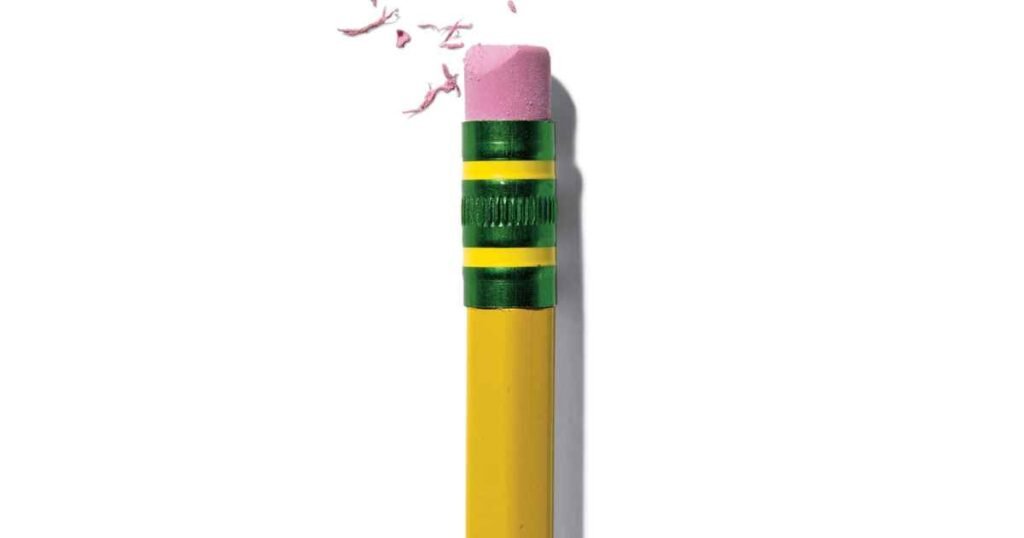
Pick up any regular pencil and check the eraser at the top its thickness usually sits right around 7mm. Since almost everyone has a pencil nearby, this is one of the simplest comparisons to remember.
Students and office workers run into this size often without noticing it. Small craft tools and mechanical pencil tips tend to follow the same measurement, which makes this a handy mental reference when buying stationery online, where photos can be misleading about actual size.
See Also>> How Long Is 21 Inches? Real-Life Size Examples Explained
Small Pea
A single garden pea is a great stand-in for 7mm. Peas vary a little depending on the type, but most sit close to this width, and they’re round and easy to compare by simply holding one between two fingers.
This comparison shows up in cooking and gardening a lot, where seed and vegetable sizes are usually described in millimeters. It’s also the hidden logic behind common instructions like a “pea-sized amount” of lotion or toothpaste that phrase is really pointing to something close to 7mm.
Jewelry Bead
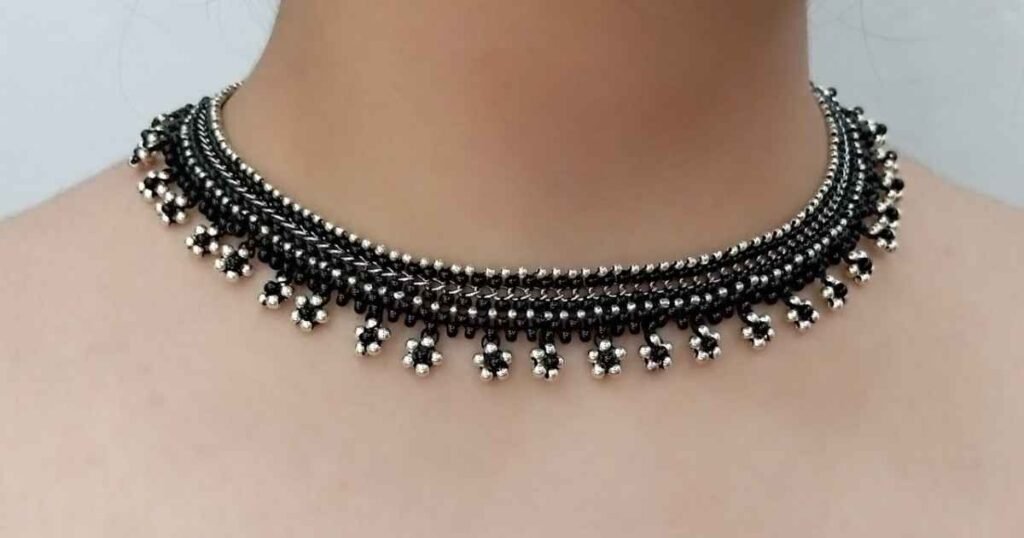
Beads used in bracelets and necklaces are frequently close to 7mm wide. This size works well in jewelry making because it’s small enough for detailed designs, yet large enough that the color and shine of each bead still stand out.
That balance is why gemstone and pearl jewelry so often uses beads around this size. For anyone shopping for beads online, understanding what 7mm actually looks like in hand can prevent ordering pieces that turn out much smaller than expected once they arrive.
An Apple Seed
An apple seed is a simple kitchen example of 7mm. Most seeds from a medium apple are close to this length, with a smooth, slightly curved shape that’s easy to recognize.
Because apples are found in almost every kitchen, this comparison works well for teaching kids about small measurements. It also comes in handy for anyone doing food-related crafts or science projects that involve seeds or small natural objects.
Phone Charging Pin Width
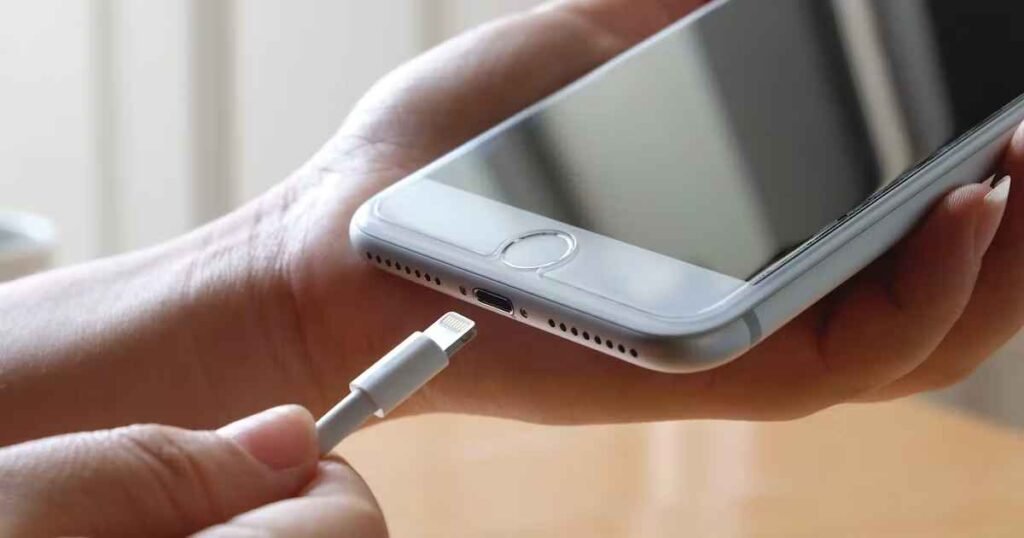
Look closely at a phone charging cable, and you’ll notice the metal pin or connector area is close to 7mm wide. The exact size can shift slightly between devices and cable types, but it’s a solid everyday example of how compact modern tech parts really are.
Manufacturers rely on precise millimeter measurements for these components, since even a small difference can stop a connector from fitting properly. Since charging a phone is a daily habit for most people, this is one of the more relatable comparisons around.
Standard Shirt Button Thickness
Buttons on dress shirts and light jackets are often close to 7mm thick. It’s a size you can genuinely feel with your fingers try comparing one to your fingernail for an instant size check.
Clothing designers pay close attention to button thickness because it affects both comfort and appearance. A 7mm button usually looks neat and balanced rather than bulky, which is why it’s such a common choice in shirt design.
Small Marble
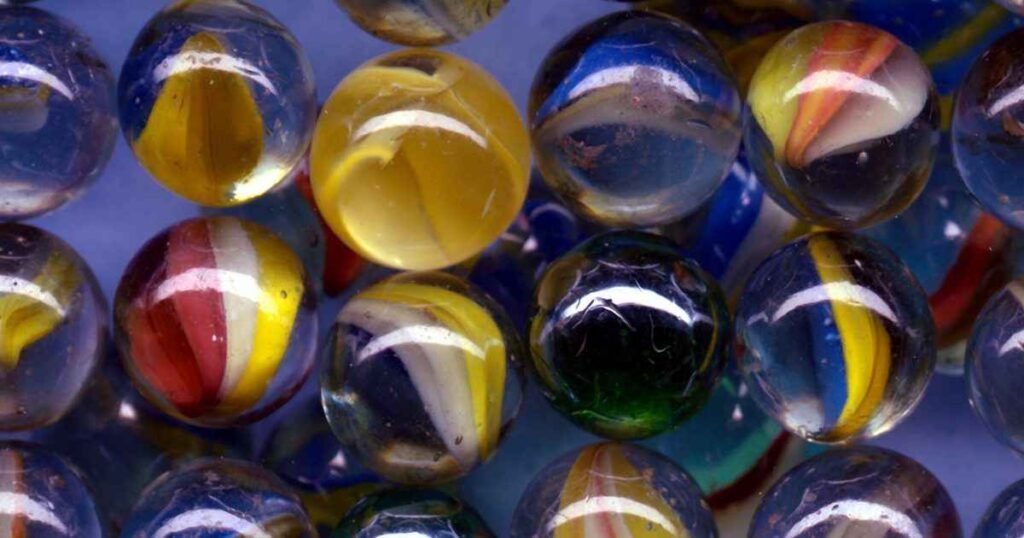
Smaller toy marbles, often used in games or decoration, can measure close to 7mm across. Because marbles are perfectly round, they give a clear view of the measurement from every angle, not just one side.
Toy makers and collectors depend on consistent millimeter sizing to keep sets uniform. Held next to something much larger, a 7mm marble looks almost tiny yet it’s still easy to see, sort, and use in small craft or decoration projects.
Screw Head Diameter
Many small screws found in furniture, electronics, and appliances have heads close to 7mm wide. That’s just enough surface area for a screwdriver or socket to grip firmly, without taking up unnecessary space.
This is also why a 7mm socket or wrench is a common size in most toolkits hardware sizing relies heavily on millimeters for exactly this kind of precision work.
Blueberry Width

A medium blueberry usually measures close to 7mm across slightly plumper than a pea, but just as round and easy to judge by eye.
Fruit sizing is often measured in millimeters for grading and packaging, which makes blueberries a genuinely useful comparison rather than just a fun one. It’s also an easy example to use when explaining measurements to children, since food references tend to stick better than plain numbers.
A Single Green Pea
A single green pea deserves its own mention beyond the earlier comparison, since it works from a slightly different angle: portion sizing. Recipes and skincare instructions often use “one pea” as a built-in unit without explaining why, and the reason is simple a fresh green pea usually measures close to 7mm across, making it a convenient, universally understood stand-in for this exact measurement in written instructions.
This kind of reference is especially useful because it removes the need for tools entirely. A cook following a recipe, or someone applying a skincare product, doesn’t need a ruler on hand they only need to picture a pea. That’s the real advantage of food-based comparisons: they translate a technical number into something the body already understands through touch and sight, without any extra effort or equipment required.
Earbud Speaker Opening
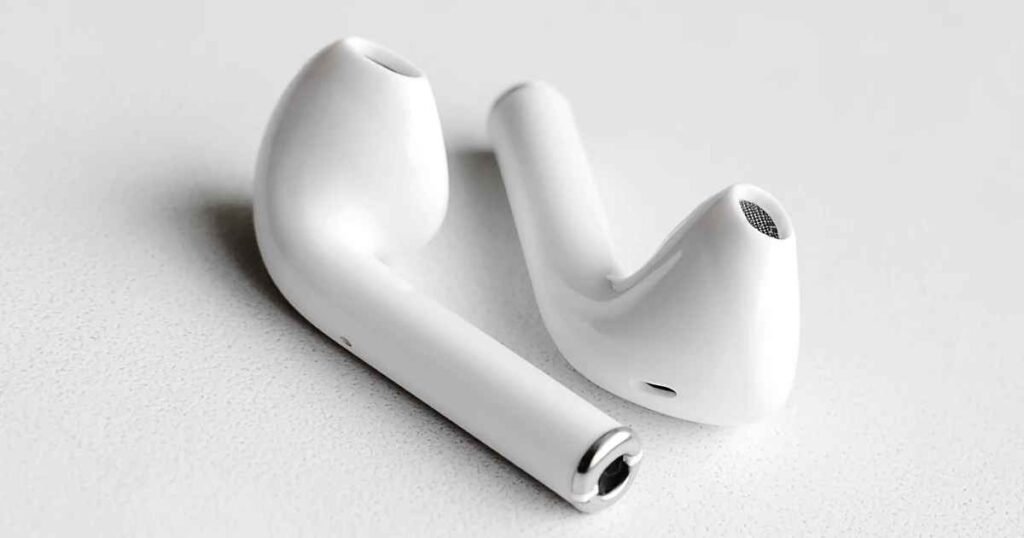
The small speaker opening found on many wired and wireless earbuds sits close to 7mm wide. This size has to strike a careful balance, since the opening needs to stay compact enough to fit comfortably inside the ear canal, while still being large enough to let sound pass through clearly without any noticeable loss in quality or volume during regular use.
Audio companies treat this measurement with real precision, because shifting the opening by even a single millimeter can change both comfort and sound performance in noticeable ways. Since so many people wear earbuds daily for music, calls, and videos, this comparison is one of the more relatable ones on this entire list, even though almost nobody ever thinks to measure the tiny opening they listen through.
Converting 21 Inches to Other Units
While this article focuses mainly on small millimeter-scale objects, it’s worth briefly touching on a much larger reference point for comparison: 21 inches. Converted, 21 inches equals about 53.34 centimeters, 533.4 millimeters, or roughly 1.75 feet. Seeing this side by side with 7mm makes the scale difference obvious one measurement fits on a fingertip, the other stretches across a laptop screen or a large book.
This kind of comparison is useful mainly as a scale check. If 7mm ever starts to feel confusing or abstract while reading through this guide, remembering that it would take over seventy 7mm objects lined up end to end just to reach 21 inches helps put the smallness of a single millimeter-scale item into much clearer perspective.
No Tape Measure? Here’s How to Judge 7mm
If you’re out shopping, cooking, or working on a project without any measuring tools nearby, there are still reliable ways to judge whether something is close to 7mm. Start with your body: your little fingernail, a coin stack, or even the width of your pinky finger’s first joint often lines up closely with this measurement, giving you an instant, tool-free reference wherever you happen to be.
Beyond your body, everyday objects work just as well. A pea, a blueberry, a shirt button, or a small jewelry bead are all good stand-ins you’ve likely handled before. Comparing an unknown object directly against one of these familiar items, side by side, usually gives a fast and reasonably accurate read on whether something truly matches the 7mm mark.
Where a 7mm Measurement Actually Shows Up
Beyond the objects already covered, 7mm quietly appears across several everyday categories most people never think twice about. Jewelry making, phone and electronics manufacturing, clothing production, hardware and tool sizing, and even food grading all rely on this exact measurement at some point, whether it’s a bead diameter, a screw head, a button thickness, or a piece of fruit sorted by size before reaching store shelves.
Recognizing this pattern is genuinely useful in daily life. Once you understand how common 7mm actually is, you’ll start noticing it in places you never expected a drill bit at the hardware store, a charm on a bracelet, or even a specific size option listed on a clothing or craft website. That awareness alone can make shopping and DIY projects noticeably smoother.
Read More Visit: How Long Is 5 Inches? 15 Everyday Things That Are 5 Inches Long
Final Thought
Measurements like 7mm can feel abstract until they’re tied to something real and familiar. By comparing this size to a pea, a blueberry, a jewelry bead, or a pencil eraser, an otherwise forgettable number becomes something you can actually picture, hold, and recognize instantly the next time you come across it while shopping, cooking, or working on a craft or repair project.
The next time you need a rough size check and don’t have a ruler within reach, you won’t be stuck guessing. A quick glance at your fingernail, a nearby pea, or a spare button will get you close enough, turning an abstract unit of measurement into something practical and genuinely easy to use in everyday situations.

Ryan Carter is the founder of DimensionPulse, creating reliable guides on measurements, dimensions, unit conversions, and size comparisons. He helps readers understand everyday measurements through clear explanations, practical insights, and real-world examples.