If someone tells you something is 14 inches long, can you picture it right away?
For most people… not really.
Numbers are simple to read, but imagining an exact size without a ruler in hand is a different story. That’s why comparing a measurement to real, everyday objects makes it so much easier to understand.
Once you line up a size with something you already see or use daily, it suddenly clicks.
So, how long is 14 inches exactly?
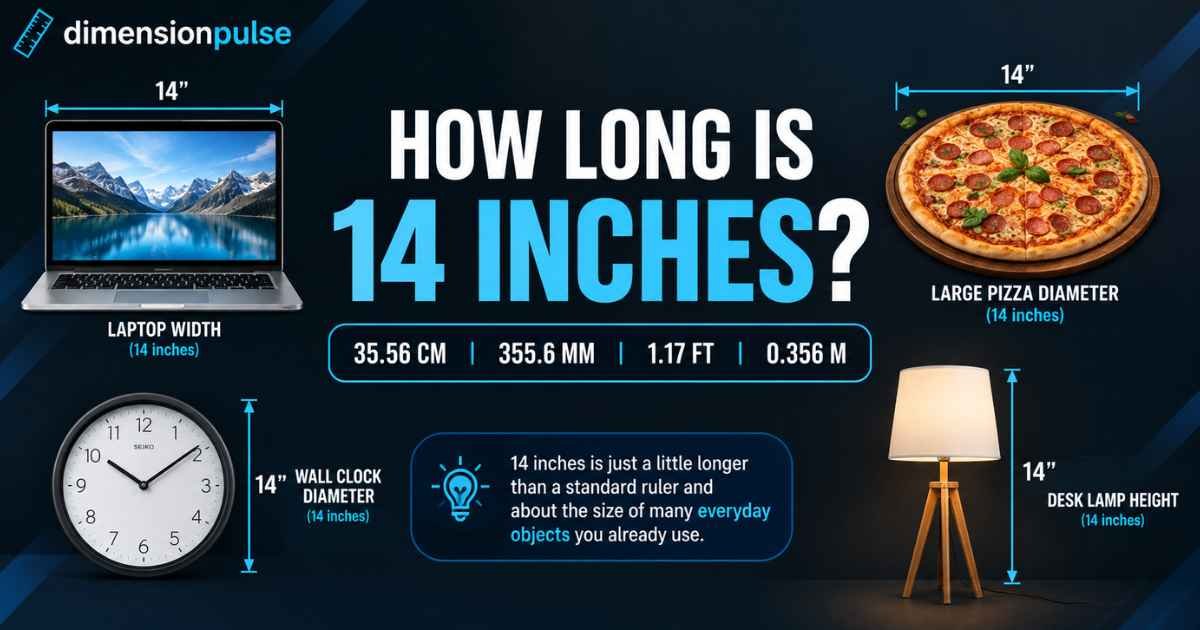
It comes out to 35.56 centimeters, or about 1 foot 2 inches.
In other words, it’s just a bit longer than a standard ruler, and it’s roughly the size of plenty of things you already own laptops, backpacks, pizza trays, lamps, and more.
In this guide, we’ll go through 15 common things that are close to 14 inches long, so you can picture this size instantly, without ever reaching for a measuring tape.
How Long Is 14 Inches?
A length of 14 inches equals 35.56 centimeters (cm) or 355.6 millimeters (mm). Since one foot is 12 inches, 14 inches is just 2 inches longer than a foot. On its own, that number doesn’t say much, but once you start noticing it in real objects, it becomes a size that’s actually very familiar.
This measurement shows up in more places than people realize. It’s common in laptops, kitchen tools, furniture, home décor, and even sports equipment. Manufacturers often choose this length because it works well for portability, comfort, and everyday handling not too small to be impractical, and not too large to be bulky. That’s exactly why so many everyday products end up close to this size.
14 Inches Conversion Chart
| Unit | Value |
| Feet | 1.17 ft |
| Centimeters | 35.56 cm |
| Millimeters | 355.6 mm |
| Meters | 0.356 m |
Having these conversions side by side makes it easier to switch between measurement systems, whether you’re reading a product listing in inches or working with a tape measure marked in centimeters.
How Big Is 14 Inches?
To understand how big 14 inches really is, compare it with a standard ruler. Most rulers measure 12 inches, so 14 inches is just a little longer about the width of two extra fingers placed at the end of the ruler. It’s a length that’s easy to underestimate on paper but feels noticeably longer once you see it beside something familiar.
This size sits in a comfortable middle ground. It’s large enough to be useful for bigger tasks, like rolling out dough or carrying a laptop, but small enough to remain portable and easy to store. That balance is exactly why so many everyday tools and gadgets are designed around this length.
What Does 14 Inches Look Like?
If you’re trying to picture 14 inches without a measuring tape in hand, here are a few quick visual anchors:
- Slightly longer than a school ruler
- About the width of a laptop lying flat on a desk
- Close to the diameter of a large pizza sitting on a serving tray
- Roughly the height of a small desk lamp standing upright
These comparisons work because they’re objects most people interact with regularly, so there’s no need to imagine an abstract number you can simply picture the object itself.
Quick Conversion Table (14 Inches in Different Units)
| Unit | Converted Value |
| Inches | 14 |
| Centimeters | 35.56 |
| Millimeters | 355.6 |
| Feet | 1.17 |
| Meters | 0.356 |
15 Common Things That Are 14 Inches Long
1. Laptop Width
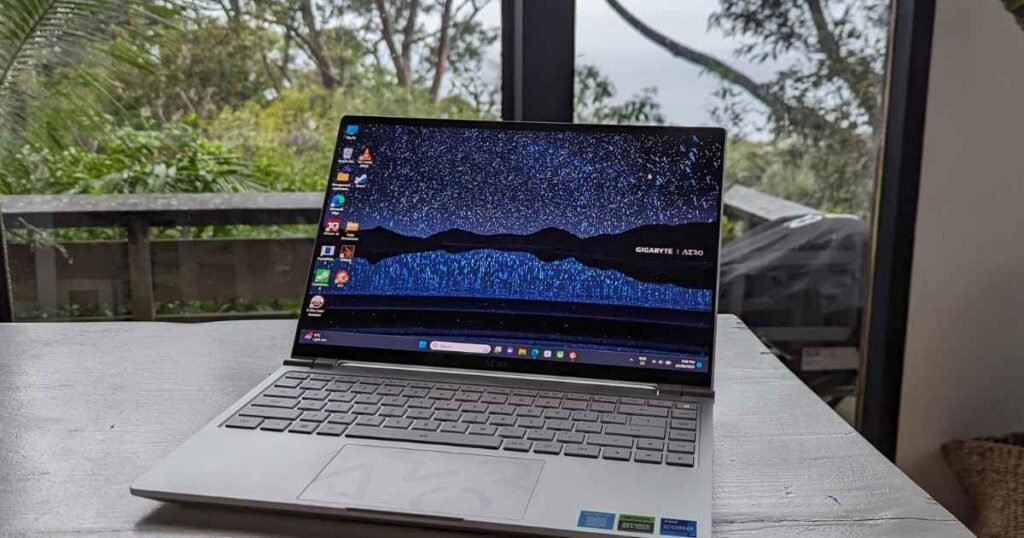
Many laptops are built close to 14 inches wide, which is why this size is often simply called a “14-inch laptop.” This measurement usually refers to the diagonal screen size, but the total width of the device tends to land close to the same number.
This size is popular because it strikes a good balance between portability and usable screen space. It’s light enough to slide into a backpack or laptop sleeve, yet still large enough to comfortably handle office work, browsing, or watching videos. Students, professionals, and casual users all tend to gravitate toward this size because it doesn’t feel too small for daily tasks, nor too heavy to carry around all day.
2. Large Pizza Diameter
A large pizza usually stretches about 14 inches across, measured straight through the center from one edge to the other. Because pizzas are round, this distance is taken as the diameter rather than a straight side length.
Restaurants commonly choose this size because it fits well into standard pizza boxes and cooks evenly in most ovens. It’s also large enough to hold a good variety of toppings without feeling crowded, and it’s typically cut into eight slices, making it an easy size to share among a small group. If you’ve ever opened a pizza box on your kitchen table, you’ve already seen roughly what 14 inches looks like.
3. Wall Clock Diameter
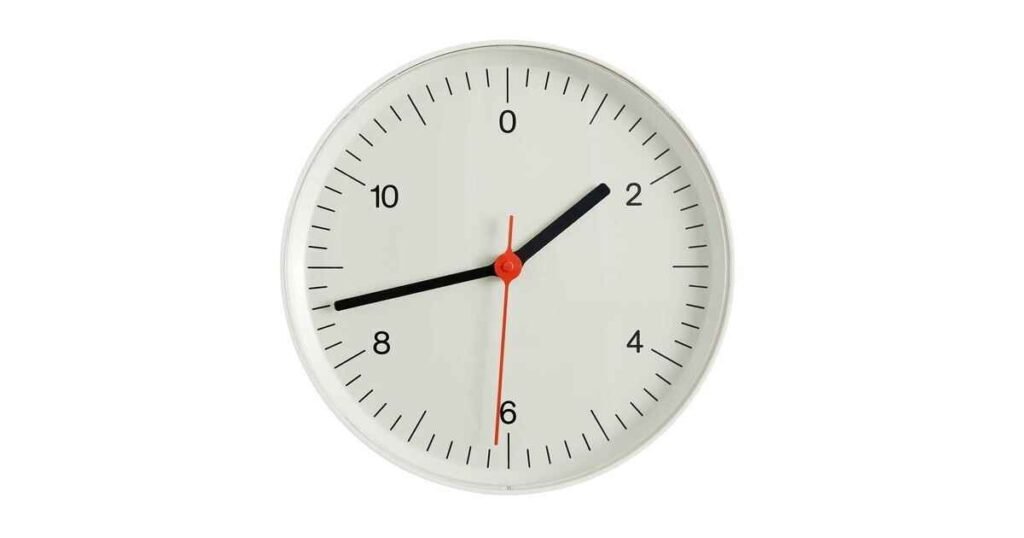
Many round wall clocks measure close to 14 inches across their face. This size is popular in homes and offices because it’s large enough to read the time from across a room, while still fitting comfortably on most wall spaces without looking oversized.
Designers often choose this diameter because it allows enough room for clear numbers and hands, without crowding the clock face. Kitchens, living rooms, and workspaces frequently feature clocks around this size, which makes it a very familiar visual reference for this length.
See Also>> How Tall is 40 Inches? 12 Common Things Compared (With Examples)
4. Desk Lamp Height
Many desk lamps used for reading or studying stand around 14 inches tall. This height gives enough clearance to light up a desk properly, without the lamp becoming too tall or awkward to place near a laptop or stack of books.
Lamps of this height are common in bedrooms, offices, and study areas because they provide focused lighting without taking up too much space. If you have a lamp sitting on your desk right now, there’s a good chance it’s close to this exact height.
5. Large Frying Pan
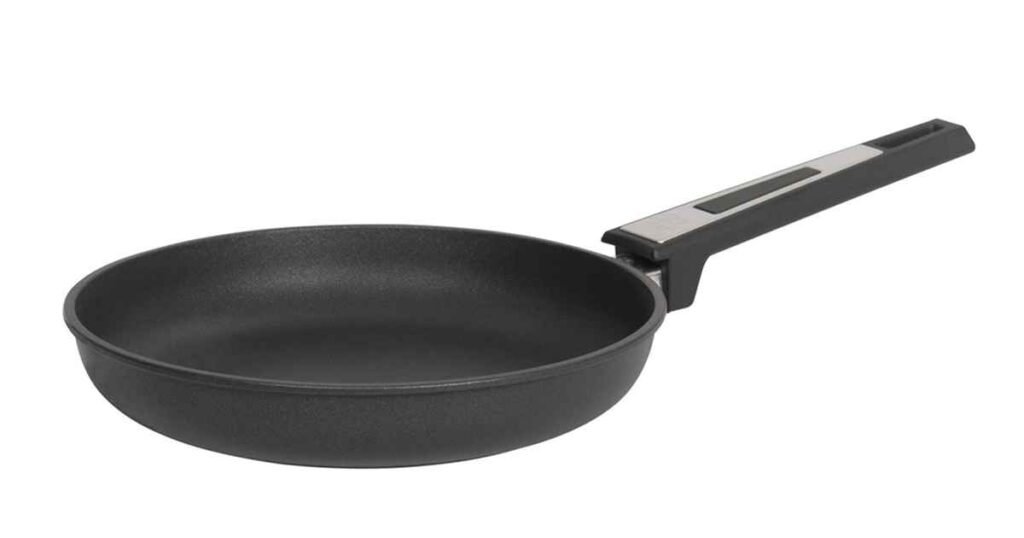
When measured from the tip of the handle to the far edge of the pan, many large frying pans come close to 14 inches in total length. This measurement includes both the cooking surface and the handle together.
Pans of this size are popular in kitchens that regularly cook for bigger families or prepare larger meals. The added length gives more surface area for cooking multiple ingredients at once, while the handle remains long enough to keep a safe distance from the heat. Because frying pans are used almost daily in most homes, they offer a very practical way to picture this measurement.
6. Desktop Keyboard Width
Compact keyboards designed to save desk space are often built around 14 inches wide. This width still allows room for all the essential keys, including the number row and function keys, without the extra spacing found on larger keyboards.
This size works well for people with smaller desks or those who travel with a portable keyboard. It keeps typing comfortable while avoiding the bulk of a full-sized keyboard, which is why it’s a common choice for both office and home setups.
7. Rolling Pin

Most rolling pins used for baking measure about 14 inches long from end to end. This length gives bakers enough surface area to flatten dough evenly, without requiring too much extra effort or repeated passes.
Rolling pins are typically made from wood, marble, or stainless steel, and their handles on either end make it easy to control pressure while rolling. Because baking tools like this are common in most kitchens, a rolling pin offers a simple, hands-on way to understand this length.
8. Kitchen Tongs
Long kitchen tongs, especially the type used for grilling, are usually close to 14 inches long. This extra length is intentional it keeps your hand a safe distance away from open flames or hot surfaces while flipping, turning, or serving food.
Tongs typically come in a few different sizes, but the 14-inch version is often preferred for grilling and stovetop cooking specifically because of the added reach it provides. If you’ve ever used a long pair of tongs at a barbecue, you’ve already held something close to this exact measurement.
9. Large Chef’s Knife

When you add the blade and the handle together, many professional chef’s knives reach close to 14 inches in total length. The blade portion is usually around 8 to 10 inches, with the handle making up the remaining length.
Chef’s knives of this size are valued in professional and home kitchens alike because the longer blade allows for smoother, more efficient cutting motions, especially when slicing larger vegetables or cuts of meat. The added length also helps distribute pressure more evenly, making the knife easier to control during extended use.
10. Bowling Pin Height
A standard bowling pin stands between 14 and 15 inches tall. Pins are manufactured to strict size and weight standards so that gameplay remains fair and consistent across different bowling alleys.
These pins are typically made from hard maple wood covered with a durable plastic coating, and their exact height plays a role in how they react when struck by the ball. If you’ve ever watched pins get set up in their triangular formation at the end of a lane, you’ve already seen a very close real-world example of this height.
11. Decorative Throw Pillow
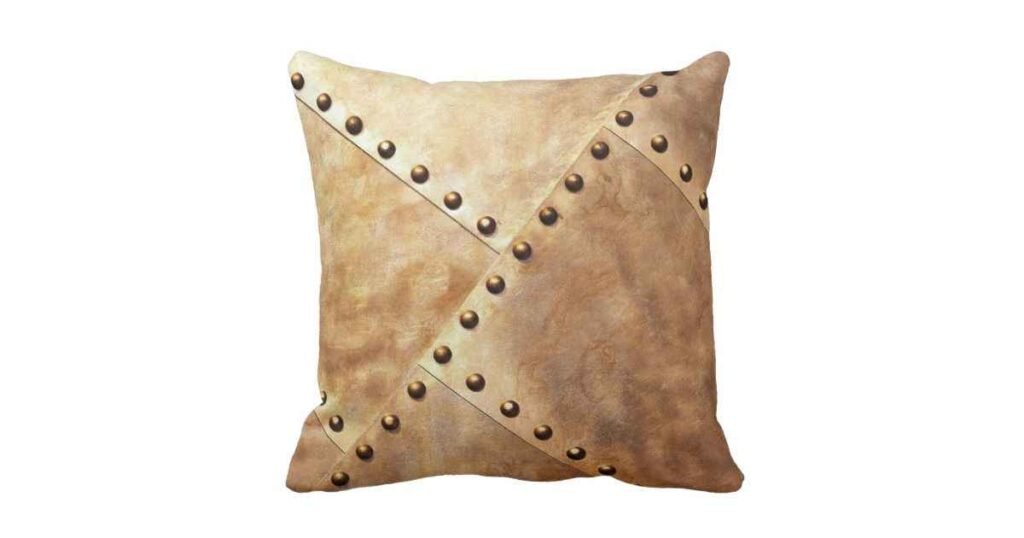
Square decorative pillows placed on sofas, beds, and chairs are often around 14 inches wide. Because these pillows are found in nearly every home, they provide one of the simplest and most familiar examples of this length.
Pillows of this size are popular for both comfort and style, often used to add color or texture to a room. Their consistent, standard sizing also makes them a handy visual reference whenever you need to estimate a length without pulling out a measuring tape.
12. Guitar Body (Partial Length)
A section of a guitar either part of the neck or part of the body, depending on the instrument’s design often measures close to 14 inches. This portion plays an important role in how the guitar sounds and feels while being played.
Musicians who play regularly are usually already familiar with this length just from handling the instrument daily. Because guitars are built to precise measurements to keep notes accurate and consistent, this section offers a fairly reliable way to picture the length, especially for anyone with some musical background.
13. Small Suitcase Width
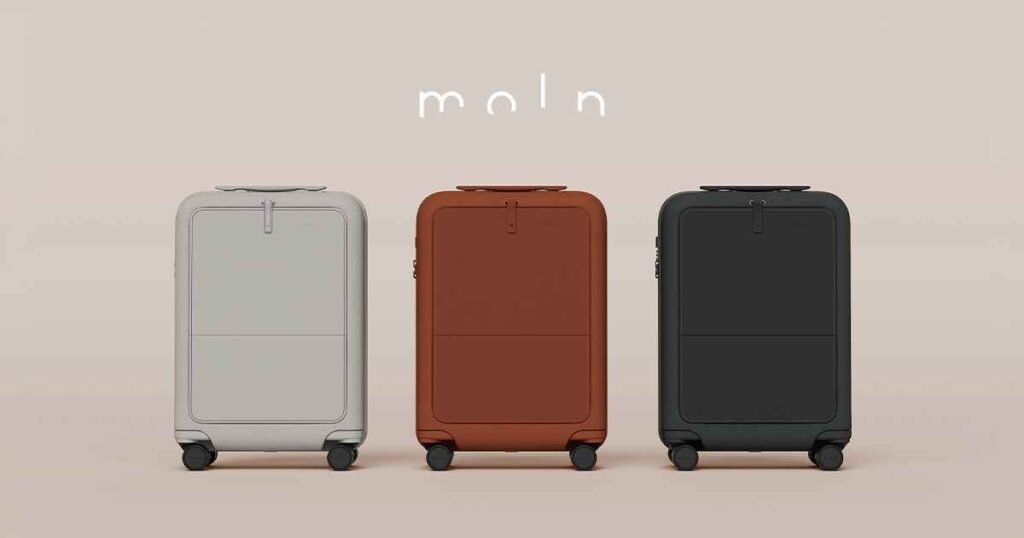
Compact suitcases made for short trips or carry-on travel are often about 14 inches wide. This size is popular among travelers because it typically meets standard airline carry-on requirements while still holding several days’ worth of clothing and essentials.
Luggage brands often design their smaller cases around this width specifically to balance packing space with portability. If you’ve ever wheeled a compact suitcase through an airport, you’ve likely handled something very close to this exact measurement.
14. Backpack Height
Many school and travel backpacks stand around 14 inches tall when placed upright. This height allows enough room for books, laptops, and other daily essentials, while still remaining a manageable size to carry on your back for extended periods.
Because backpacks are used by students, commuters, and travelers alike, they’re one of the most commonly seen objects close to this length. Next time you see one leaning against a wall or resting on a chair, you’re looking at roughly 14 inches of height.
15. Serving Platter Length
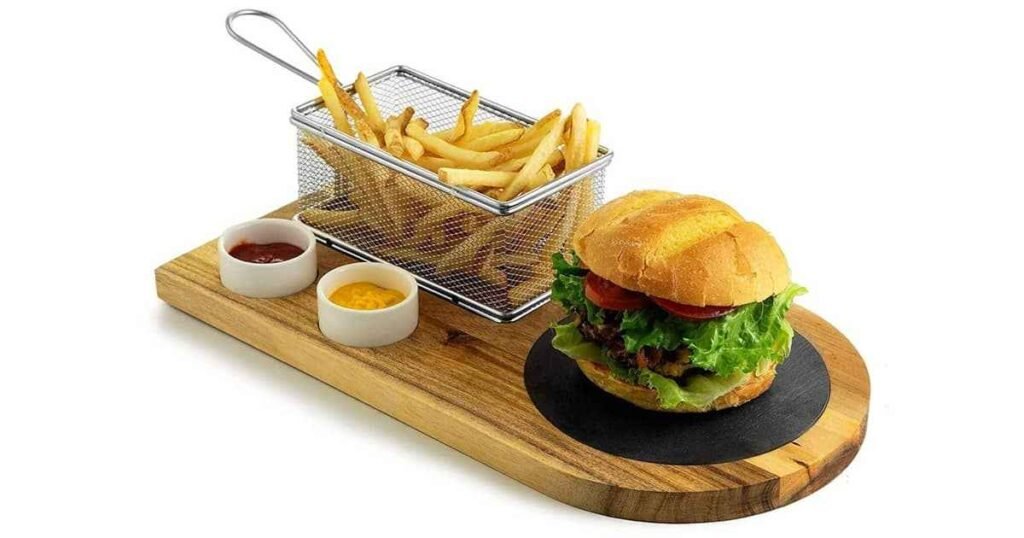
Many serving platters used for snacks, appetizers, or family meals measure close to 14 inches long. Their rectangular or oval shape makes the length easy to notice at a glance, especially when the platter is placed on a table during a gathering.
These platters are popular for entertaining because they offer enough surface area to hold a good variety of food without needing multiple dishes. Since most households already own at least one platter around this size, it’s a practical, easy-to-recognize example of this measurement.
15. Cutting Board
Some kitchen cutting boards measure close to 14 inches from top to bottom. This size gives enough surface area for chopping vegetables, slicing meat, or preparing multiple ingredients at once, without taking up too much counter space.
Because cutting boards are used almost daily in most kitchens, they make for one of the most practical, hands-on examples of this length. If you already own a mid-to-large sized cutting board, there’s a good chance it comes close to this exact measurement.
How to Estimate 14 Inches Without a Ruler
Using Your Hand
An adult hand, measured from the wrist to the tip of the middle finger, is usually about 7 inches long. If you line up two hand-lengths end to end, you’ll land very close to 14 inches. This trick works well in a pinch, especially when you need a rough estimate and don’t have any measuring tools nearby.
Using Your Fingers
Four finger-widths placed side by side typically add up to around 3 inches. By repeating this measurement several times across a surface, you can build up to an estimate close to 14 inches. While this method isn’t perfectly precise, it’s a handy way to get a quick sense of scale.
Using Common Objects
A laptop, a rolling pin, or a large pizza tray are all close to 14 inches in length or width. Picturing one of these familiar items gives you a fast, fairly accurate estimate without needing a ruler or tape measure at all. This is often the easiest method since most people already have a mental image of these objects.
Common Mistakes People Make About 14 Inches
Thinking 14 Inches Is Smaller Than It Really Is
Because the number “14” doesn’t sound particularly large, many people assume the length is smaller than it actually is. In reality, once you place it next to a standard ruler or a familiar object, it becomes clear that 14 inches is noticeably longer than most people initially expect.
Confusing Screen Size with Total Size
This mix-up happens frequently with laptops. A “14-inch laptop” refers to the diagonal measurement of the screen, not the actual width of the device itself. As a result, the full laptop including its edges and bezels is often slightly larger than 14 inches overall, which can catch people off guard when comparing dimensions.
Guessing Without a Reference
Most people tend to either overestimate or underestimate a length when they try to guess without comparing it to something familiar. Relying on a real object, like the ones listed above, gives a much more reliable and accurate sense of scale than guessing based on the number alone.
Read More>> How Long Is 5 Inches? 15 Everyday Things That Are 5 Inches Long
FAQs
How long is 14 inches in centimeters?
14 inches equals 35.56 centimeters.
Is 14 inches bigger than one foot?
Yes. One foot equals 12 inches, so 14 inches is 2 inches longer than a foot.
What household items are about 14 inches long?
Examples include a rolling pin, kitchen tongs, a laptop, a wall clock, a large pizza, and a cutting board.
How can I measure 14 inches without a ruler?
You can use two hand-spans, several finger-widths, or compare it with an object you already know, like a laptop or a pizza tray.
Is 14 inches considered a large size?
Not really. It’s a medium size bigger than small handheld objects, but much smaller than large furniture or appliances.
Why do so many products come in a 14-inch size?
This size often hits a practical middle ground between being useful and being portable, which is why it’s common in laptops, cookware, luggage, and other everyday items.
Conclusion
Once you connect 14 inches to things you already use every day a laptop, a pizza, a rolling pin, or a backpack it stops feeling like just an abstract number. These comparisons come in handy while shopping, cooking, decorating a room, or working on any project where getting the measurement right actually matters.
Everyday objects like the ones covered in this guide make it far easier to estimate size without always reaching for a ruler or tape measure. So the next time someone mentions 14 inches, you won’t need to measure anything you’ll already have a clear picture in your mind.

Ryan Carter is the founder of DimensionPulse, creating reliable guides on measurements, dimensions, unit conversions, and size comparisons. He helps readers understand everyday measurements through clear explanations, practical insights, and real-world examples.