You see “100 g” on food packets, nutrition labels, and recipes all the time. But if you do not have a scale, it can be hard to picture how much that really is. Is it a handful? A cup? A small piece?
In this guide, you will learn exactly how much 100 grams is. We will cover simple conversions, cups and spoons for common foods, and everyday objects that weigh about 100 grams. We will also look at a few things people wrongly believe weigh 100 grams.
How Much Is 100 Grams?
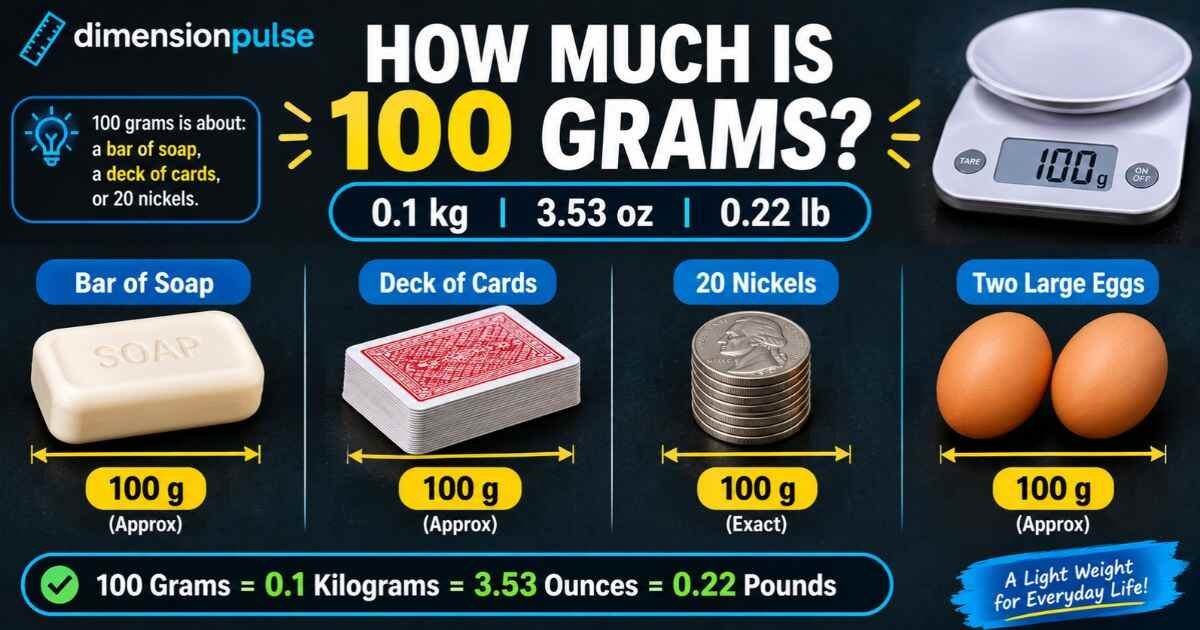
100 grams is equal to 0.1 kilograms, 3.53 ounces, or 0.22 pounds.
It is a light weight. A simple way to remember it is that 20 US nickel coins weigh about 100 grams. In your hand, it feels like a small bar of soap or two large eggs.
100 Grams Conversion Chart
Here is 100 grams in the most common units:
| Unit | 100 Grams Equals |
| Kilograms (kg) | 0.1 kg |
| Milligrams (mg) | 100,000 mg |
| Ounces (oz) | 3.53 oz |
| Pounds (lb) | 0.22 lb |
| Tola | About 8.57 tola |
Tola is still widely used in Pakistan and India, mainly for gold and silver. One tola is about 11.66 grams.
How to Convert Grams to Ounces, Pounds, and Kilograms
You can do these conversions yourself with simple math:
- Grams to ounces: divide by 28.35
- Grams to pounds: divide by 453.6
- Grams to kilograms: divide by 1,000
- Grams to tola: divide by 11.66
Example: To change 250 grams into ounces, calculate 250 ÷ 28.35. The answer is about 8.82 ounces.
To go the other way, multiply. For example, 2 ounces × 28.35 = 56.7 grams.
How Much Is 100 Grams in Cups and Spoons?
This is one of the most common questions, and it has a tricky answer. Grams measure weight, but cups and spoons measure volume (space). Different foods have different densities. A cup of flour is light, but a cup of sugar or honey is much heavier. That is why 100 grams of each food fills a different amount of space.
Here are approximate values using standard US cups and spoons:
| Ingredient | 100 Grams Is About |
| Water | Just under ½ cup (about 6½ tablespoons) |
| All-purpose flour | A little over ¾ cup |
| Granulated sugar | ½ cup |
| Uncooked rice | A little under ½ cup |
| Rolled oats | A little over 1 cup |
| Butter | 7 tablespoons |
| Cooking oil | About 7 tablespoons |
| Honey | About 4¾ tablespoons |
| Table salt | About 16 teaspoons |
Please remember: These numbers are close estimates, not exact. Flour is the biggest example. If you scoop it straight from the bag, it gets packed down and the cup holds more weight. If you spoon it lightly into the cup, it holds less. For baking, where small mistakes can change the result, a kitchen scale is always the better choice.
What Does 100 Grams Look Like? 10 Everyday Examples
Now let’s look at real objects. The items below are chosen because their weights are well known and fairly reliable. Small differences between brands and sizes are normal, so treat each one as “close to 100 grams.”
Household Items
1. A Standard Bar of Soap
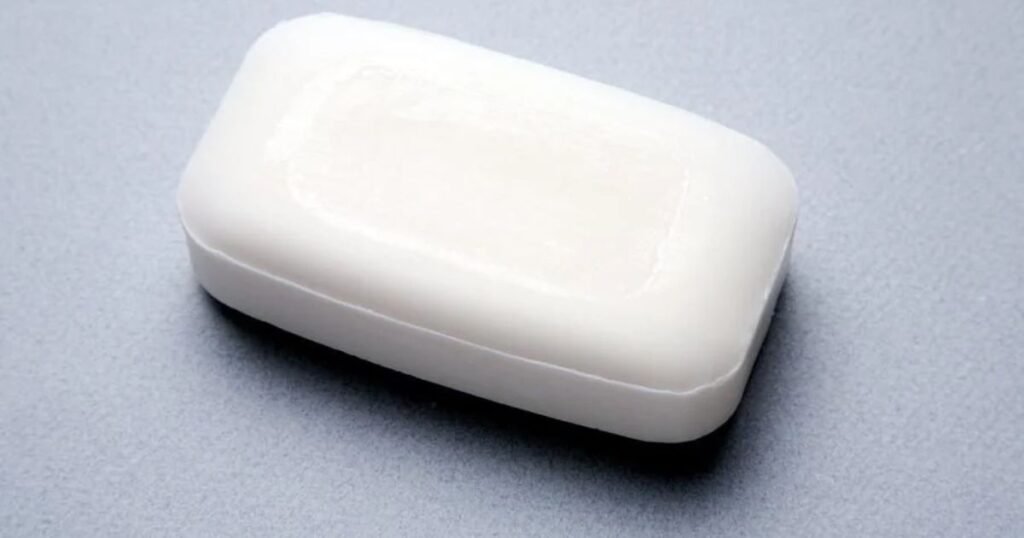
Many popular soap bars are sold in 100-gram sizes, and some are 90 g or 125 g. The weight is printed on the wrapper, so you can check it before you buy. Hold one in your hand and remember how it feels, because this is a good everyday reference for 100 grams. Keep in mind that a soap bar loses weight as it dries and gets used, so a new, sealed bar is the best one to use.
2. A Deck of Playing Cards
A standard deck of 52 cards weighs about 90 to 100 grams, depending on the brand and the card paper. A single card weighs less than 2 grams, but all 52 cards plus the joker cards add up quickly. A deck fits easily in one hand, which shows that a small object can still weigh 100 grams. Note that the cardboard box adds a few grams, so weigh the cards with their box for the closest match.
3. 100 Paper Clips
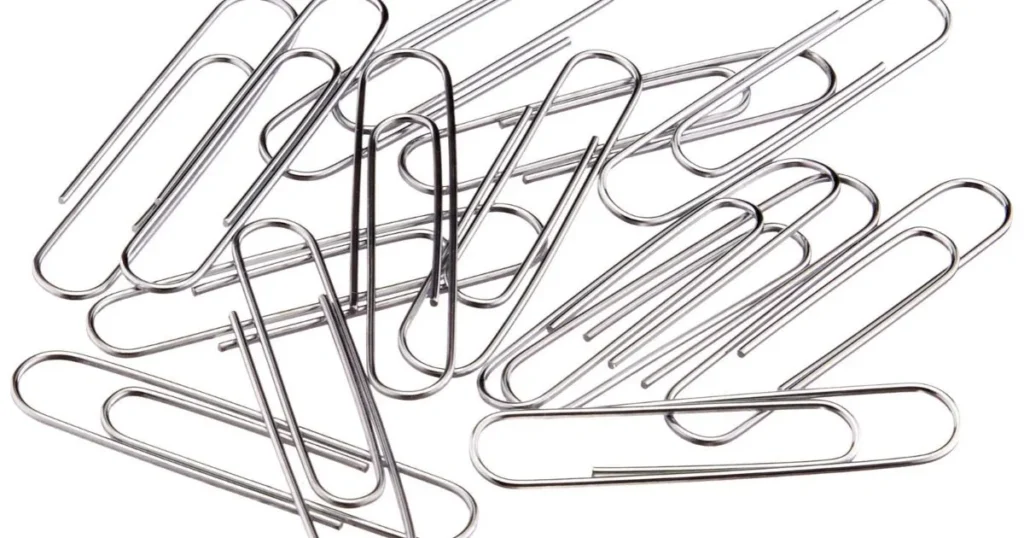
A standard small paper clip weighs about 1 gram, so 100 of them weigh about 100 grams. This example shows how many tiny weights add up to one bigger weight. It also helps you understand the size of a single gram. Be careful with large or jumbo clips, because they are heavier and will give a higher total.
4. 20 US Nickels
A US nickel weighs exactly 5 grams, and this has been the same for decades. That makes 20 nickels equal to exactly 100 grams, with no guessing. Because the weight is so exact, coins are one of the best tools for checking a scale or for measuring without one. A roll of nickels (40 coins) is 200 grams, so half a roll is 100 grams.
5. 40 US Pennies
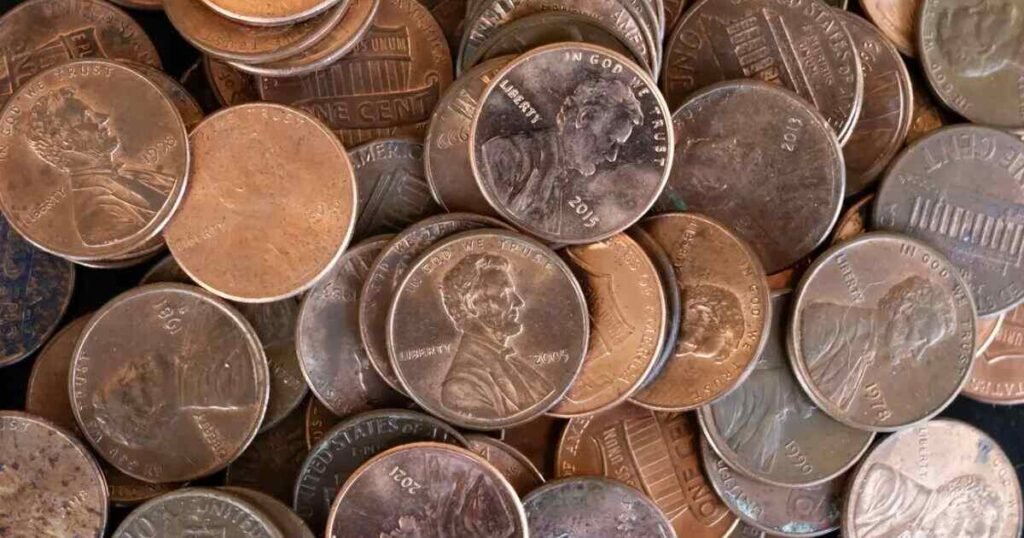
US pennies made after 1982 weigh 2.5 grams each, so 40 of them equal 100 grams. Pennies made before 1982 are mostly copper and weigh about 3.1 grams, which means they will give a heavier total. The year 1982 itself had both types. If you want an accurate result, use pennies from 1983 or later, or use nickels instead.
6. 4 AA Alkaline Batteries
One AA alkaline battery weighs about 23 to 24 grams, so four batteries weigh around 92 to 96 grams. That is close enough to 100 grams for a quick estimate. Most homes have AA batteries in remote controls and toys, so this is an easy test to do right now. Rechargeable AA batteries are often heavier, at about 27 to 30 grams each, so use alkaline ones for this example.
Read More>>> How Long Is 50 Feet? 15 Things That Are Exactly 50 Feet Long
7. 20 Sheets of A4 Paper
A sheet of standard A4 paper (80 gsm, the common office paper) weighs about 5 grams. This means 20 sheets weigh about 100 grams. It is a good way to see that something thin and light can add up to a real weight when you stack it. Thicker paper, such as 100 gsm, weighs more, so this only works for regular 80 gsm printer paper.
Food Items
8. Two Large Eggs (Without the Shell)
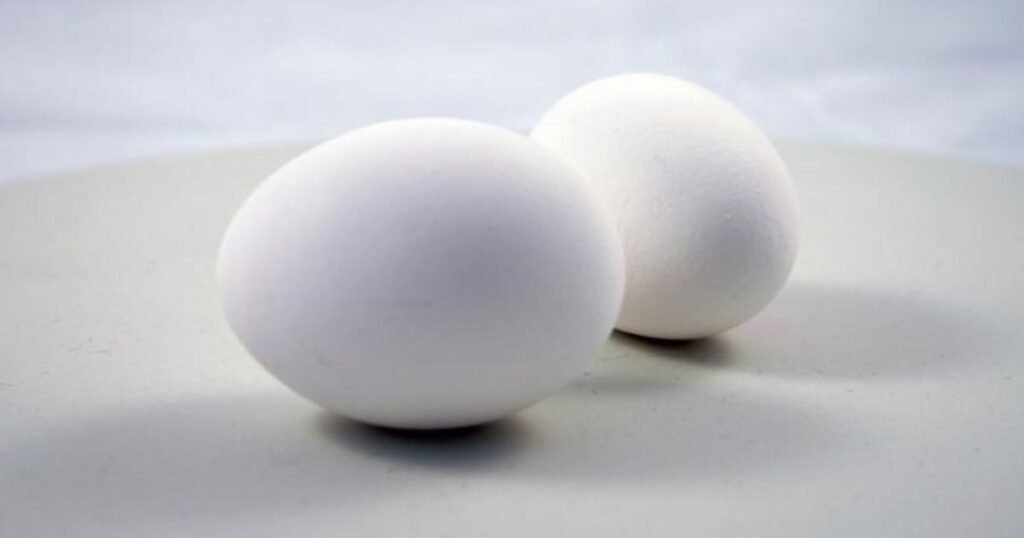
One large egg has about 50 grams of edible egg inside, so two cracked eggs weigh about 100 grams. With the shells on, two large eggs weigh about 113 to 115 grams, because each shell adds about 5 to 6 grams. This is useful for baking, because many recipes list eggs by weight. Egg sizes vary, so small eggs will weigh less and extra-large eggs will weigh more.
9. A 100-Gram Chocolate Bar
Many chocolate bars are sold in exactly 100-gram sizes, and the weight is printed on the package. This makes it one of the easiest and most reliable examples to find in a shop. The label usually shows the weight of the chocolate only, and the thin wrapper adds just a tiny amount. A standard bar is also often divided into squares, so you can see that 100 grams is about 20 small squares at 5 grams each.
10. Half a Medium Apple
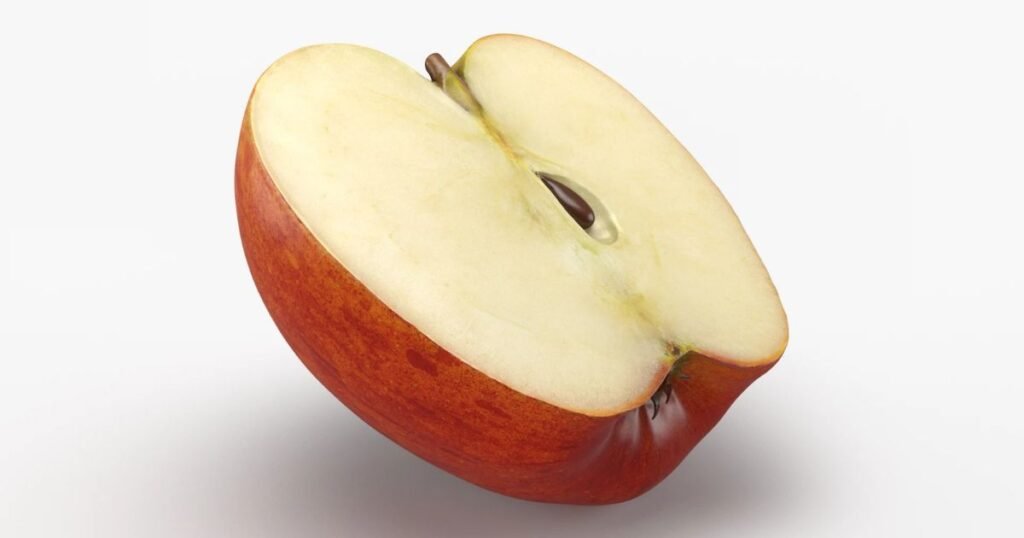
A medium apple weighs about 180 to 200 grams, so half of it is about 90 to 100 grams. Apples vary a lot by type and size, so this is a rough guide and not an exact weight. The weight also changes if you remove the core and seeds. If you want a quick idea of a fruit portion, half a medium apple is a good picture of 100 grams of fruit.
Myth Check: Things People Wrongly Think Weigh 100 Grams
Some websites say that everyday items weigh 100 grams when they actually do not. Here are the most common mistakes:
- Tennis ball: A tennis ball weighs only about 56 to 59 grams, which is around half of 100 grams. Two tennis balls come close to 115 grams.
- Smartphone: Most modern smartphones weigh between 170 and 230 grams. Very few weigh 100 grams. Phones with only a 100-gram weight are usually small, older, or basic models.
- Travel toothpaste: Travel-size tubes are usually 20 to 50 grams. A regular family-size tube is often 100 grams or more.
- Light bulb: Most household bulbs weigh well under 100 grams, though the exact weight depends on the type and size.
The lesson is simple. A similar size does not mean a similar weight. If you want to estimate 100 grams, use items with a known and fixed weight, like coins, batteries, or packaged products with the weight printed on the label.
How Many Calories Are in 100 Grams?
Many food labels show calories “per 100 g.” This makes it easy to compare foods, because every food is measured by the same weight. Here are approximate values:
| Food | Calories in 100 g (approx.) |
| Apple | 52 kcal |
| Banana | 89 kcal |
| Boiled potato | 87 kcal |
| Whole milk | 61 kcal |
| Cooked white rice | 130 kcal |
| Boiled egg | 155 kcal |
| Cooked chicken breast | 165 kcal |
| White bread | 265 kcal |
| Sugar | 387 kcal |
| Almonds | 579 kcal |
| Butter | 717 kcal |
You can see that 100 grams of apple has very few calories, while 100 grams of almonds or butter has many more. This is because some foods contain a lot of water (like fruit), and some contain a lot of fat (like nuts and butter).
These numbers are averages. Brands, ripeness, and cooking methods can change them a little, so always check the label on the product you are using.
Is 100 Grams the Same as 100 Milliliters?
Only for water. Grams measure weight, and milliliters measure volume. One gram of water takes up exactly one milliliter, so 100 g of water is 100 ml. Other liquids and foods are lighter or heavier than water, so the numbers are different.
| Item | 100 Grams Is About |
| Water | 100 ml |
| Milk | 97 ml |
| Cooking oil | 109 ml |
| Honey | 70 ml |
Oil is lighter than water, so 100 g of oil takes up more space. Honey is thicker and heavier, so 100 g of honey takes up less space.
Tip: If a recipe says “100 g of milk” and you measure 100 ml, the difference is small. But for honey or oil, the difference is bigger, so it is better to weigh them.
Raw vs Cooked: Does 100 Grams Change After Cooking?
Yes, and this confuses many people. Food can gain or lose weight when it is cooked.
- Rice and pasta gain weight. They soak up water. 100 g of raw white rice becomes about 250 to 300 g after cooking. 100 g of dry pasta becomes about 220 to 250 g.
- Lentils (dal) gain weight. 100 g of dry lentils becomes about 230 to 250 g after boiling.
- Meat loses weight. It loses water as it cooks. 100 g of raw chicken breast becomes about 70 to 75 g after cooking.
Why does this matter? If you track calories or follow a diet plan, you must know which weight you are using. A label that says “130 calories per 100 g” for cooked rice is very different from the calories in 100 g of raw rice, which is about 360 calories.
Simple rule: Use the weight that matches the food label or diet plan. If the plan says “100 g rice,” ask whether it means raw or cooked. When unsure, weigh the food raw, because raw weight stays the same no matter how you cook it.
How to Estimate 100 Grams Without a Scale
You do not always have a kitchen scale nearby. Here are simple ways to estimate 100 grams.
- Use coins. Twenty US nickels weigh 100 grams. This is very accurate if you have the coins.
- Use batteries. Four AA alkaline batteries weigh about 95 grams.
- Use a packaged product. Many soap bars, chocolate bars, and snacks are labeled 100 g. Hold one in your hand to remember how it feels.
- Use your palm for meat. A piece of cooked chicken or fish about the size and thickness of your palm is roughly 85 to 100 grams.
- Use cups and spoons. Use the table earlier in this article. For example, 100 g of sugar is about ½ cup.
- Use a bottle of water. A small 100 ml amount of water weighs 100 grams. A measuring cup or a small medicine cup can help.
These methods give a good estimate. For medicine, baking, or strict diet tracking, a digital scale is always best. Many good ones cost very little.
See More>>> How Long Is 30 Feet? See It With 15 Real Examples
Is 100 Grams a Lot? A Simple Portion Guide
It depends on the food. Here is what 100 grams looks like for common foods:
- Cooked rice: About ⅔ cup. This is a small side portion.
- Dry pasta (uncooked): About 1 cup of elbow macaroni. This makes a normal-sized meal.
- Cooked chicken: A palm-sized piece. This is a standard serving.
- Almonds: About 70 nuts, or 3 to 4 handfuls. This is a lot, because nuts are high in calories.
- Potato chips: A large share-size bag. A small snack bag is only about 25 to 30 g.
- Fruit: About one small apple or a small banana without the peel. This is a light snack.
- Butter: About 7 tablespoons. This is a lot, and much more than anyone eats at once.
So, 100 grams of rice is a small portion, but 100 grams of nuts or butter is a large amount.
Common Mistakes When Measuring 100 Grams
Even with a scale, small mistakes can give the wrong amount. Avoid these:
- Thinking a cup equals a fixed weight. A cup of flour, sugar, and rice all weigh different amounts. Always use a gram-to-cup chart or a scale.
- Packing flour into the cup. Pressed flour can weigh 20% more than loosely spooned flour. Spoon it in lightly and level it off.
- Forgetting the container. If you place a bowl on the scale, press the “tare” or “zero” button first. If you do not, you will weigh the bowl too.
- Counting the packaging. A 100 g chocolate bar label usually means the chocolate only. The wrapper adds a little extra.
- Mixing up raw and cooked weights. As explained above, cooked food can weigh much more or less than raw food.
- Assuming grams and milliliters are the same. This is true only for water.
How Big Is a Gram?
A gram is a very small unit. To understand 100 grams better, it helps to know how small one gram is.
- One standard paper clip weighs about 1 gram.
- One raisin weighs about 1 gram.
- One US dollar bill weighs about 1 gram.
- A small sugar packet weighs about 3 to 4 grams.
- A teaspoon of water weighs about 5 grams.
So 100 grams is the same as 100 paper clips, or 100 dollar bills stacked together. Because grams are so small, they are used for food, medicine, spices, and jewelry.
FAQs About 100 Grams
How much is 100 grams in kg?
100 grams equals 0.1 kilograms. There are 10 portions of 100 grams in 1 kilogram.
How many ounces is 100 grams?
100 grams equals about 3.53 ounces. It is a little less than 3.5 ounces and a little less than a quarter of a pound.
How many tablespoons is 100 grams of sugar?
100 grams of granulated sugar is about 8 tablespoons, which is also about ½ cup.
Is 100 grams of rice a lot?
No. 100 grams of raw rice makes about 250 to 300 grams of cooked rice, which is a normal meal portion for one person. 100 grams of already-cooked rice is a small side serving.
Is 100 grams equal to 100 ml?
Only for water. Oil, milk, and honey have different weights, so 100 g of them does not equal 100 ml.
How many eggs make 100 grams?
Two large eggs without the shell make about 100 grams. With the shell, they weigh around 115 grams.
How much is 100 grams in tola?
100 grams is about 8.57 tola, since one tola is about 11.66 grams.
Is 100 grams heavy?
No. It is a light weight, about the same as a bar of soap or a deck of cards.
Conclusion
So, how much is 100 grams? It is 0.1 kilograms, 3.53 ounces, or about 8.57 tola. It weighs the same as 20 US nickels, 100 paper clips, a standard bar of soap, or two large eggs without the shell.
The most important thing to remember is that grams measure weight, while cups and milliliters measure volume. The same 100 grams can look very different depending on the food. Also, be careful with raw and cooked weights, and do not trust items like phones or tennis balls as 100-gram examples.
For the best results, use a digital kitchen scale. When you do not have one, the coin, battery, and packaged-product tricks in this guide will help you get close.

Ryan Carter is the founder of DimensionPulse, creating reliable guides on measurements, dimensions, unit conversions, and size comparisons. He helps readers understand everyday measurements through clear explanations, practical insights, and real-world examples.